

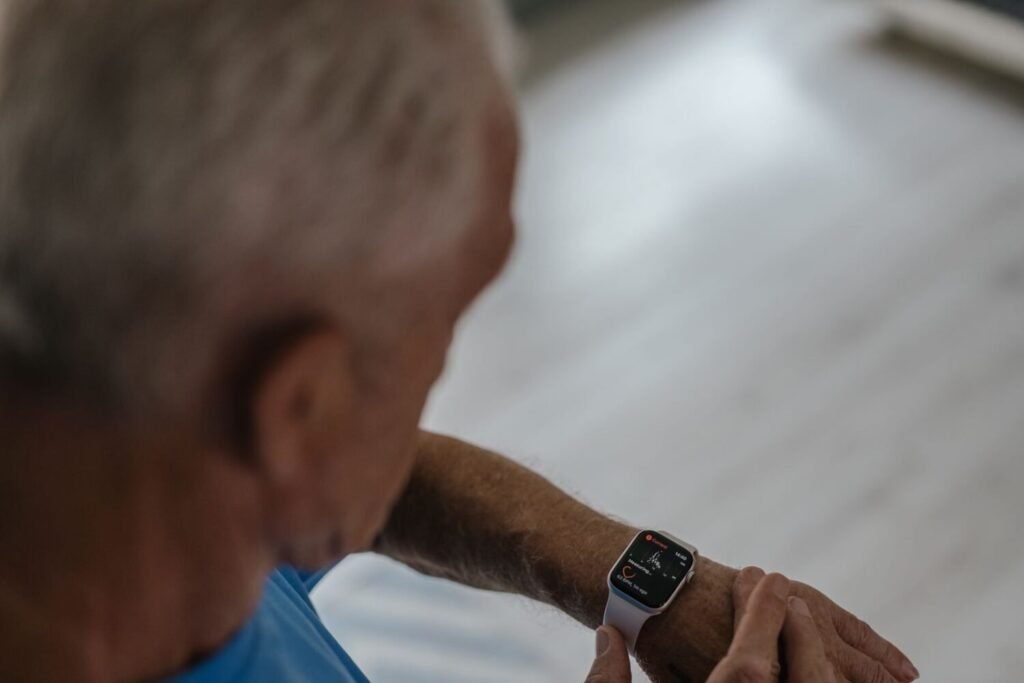
Most families do not start looking at medical alert watches because they want another gadget. They start because a parent lives alone, a fall already happened once, and the question on the table is simple: what actually gets someone help fast, and what does that help cost every single month for the next several years.
That second half of the question gets less attention than it should. Plenty of guides compare fall detection accuracy and screen size, but the number that decides whether a family actually keeps using the device is the monthly bill. In 2026, the honest answer is that you can get real emergency calling for a one time device cost and nothing else, or you can pay a recurring fee for a trained person to answer instead of an automated call. Neither is the wrong choice. This guide breaks down exactly what each path costs and who it actually fits, and if you want the mechanics of how the fall sensors themselves work, our deeper look at how fall detection actually catches a hard fall covers that side in full.
Quick answer
A medical alert watch for seniors falls into one of two cost categories. Consumer smartwatches like the Apple Watch SE 3 and Samsung Galaxy Watch 8 include fall detection and SOS calling for free, no subscription required, but they dial 911 or a saved contact with no one to explain the situation. Dedicated monitored watches like the Medical Guardian MGMove or Bay Alarm Medical SOS Smartwatch add a $30 to $50 monthly fee in exchange for a live agent who answers day or night. A handful of basic devices, like the Fajocru Senior SOS Watch, sit in between: no monthly fee, but the call goes to a family member’s phone rather than a monitoring center.
Why the Real Question Is What This Costs, Not Just Whether It Works
Roughly 16.7 million Americans age 65 and older live by themselves, close to 29 percent of all older adults in the country, and that share climbs to nearly half among people 85 and up. Living alone is not itself a health risk, but it changes what happens after one. Seniors living alone typically wait 12 to 72 hours longer for help after a fall or medical event than seniors who share a home with someone, and that gap is exactly what a medical alert watch is built to close.
The financial side of a fall is just as blunt. An average hospital stay for a fall related injury runs about $18,658, and a fall that results in a hip fracture, including surgery and initial rehab, commonly lands between $35,000 and $40,000. Set against numbers like that, a monthly monitoring fee looks a lot less like an optional extra and more like cheap insurance, which is exactly the pitch every monitored device makes. Whether that pitch is worth it for a specific family depends on who is actually available to answer a call, which is the piece the rest of this guide is built around.
Sources: Retirement Living aging in place research; fall injury cost data compiled from hospital claims studies, 2026.
Two Very Different Products Share the Same Name
Search for “medical alert watch” and the results mix two products that solve the same problem in opposite ways. The first is a mainstream smartwatch, an Apple Watch, a Galaxy Watch, a Pixel Watch, that happens to include fall detection and an SOS button as one feature among hundreds. The second is a purpose built device from a company like Medical Guardian, Bay Alarm Medical or UnaliWear, whose entire job is emergency response and nothing else.
The gap between them is not really about sensors. Both categories rely on similar accelerometer and gyroscope data to spot a hard fall, and neither one catches every fall reliably, since a slow slide out of a chair rarely generates enough force to trigger detection on any device. The gap is about what happens the moment after: a smartwatch places an automated call to 911 or a saved contact, while a monitored watch routes that same alert to a live agent trained to talk the wearer through what happened, decide whether paramedics are needed, and loop in family. If you want the technical breakdown of the sensors themselves, that is covered separately in our guide to how smartwatch fall detection actually works.
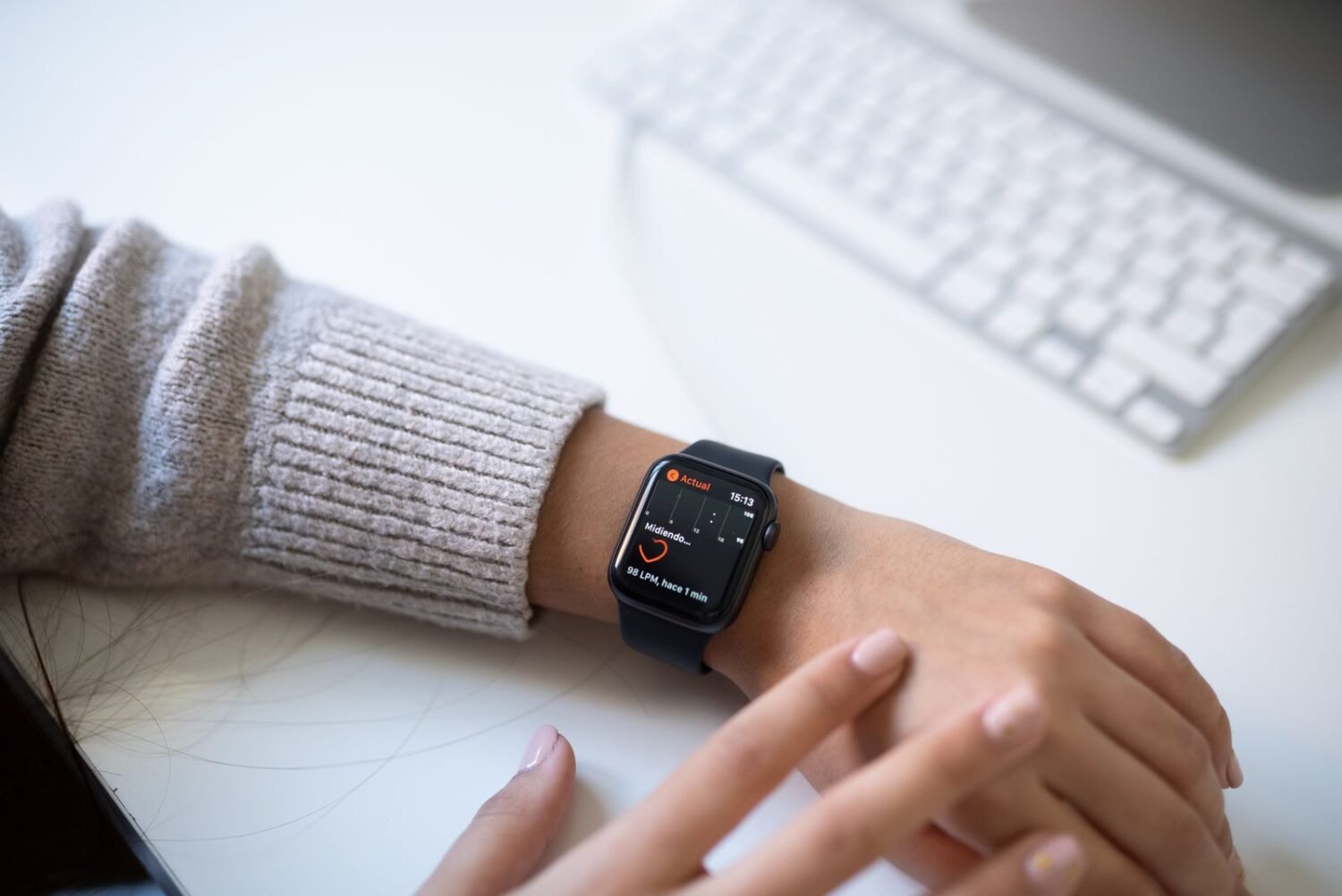
Medical Alert Watches Compared: Cost, Coverage and Response
Here is how the main options on the market actually break down once the marketing language is stripped away.
| Device | Type | Upfront Cost | Monthly Fee | Who Answers |
|---|---|---|---|---|
| Apple Watch SE 3 / Series 11 | Consumer smartwatch | From $249 | None | 911 and saved contacts, automatically |
| Samsung Galaxy Watch 8 | Consumer smartwatch | From $299 | None | Saved contacts, mainly by text |
| Fajocru Senior SOS Watch | Basic SOS watch | About $80, one time | None | A family member’s phone, whoever answers first |
| WellBe Medical Alert Watch | Monitored medical alert | About $160 | About $30 | Live 24/7 monitoring agent |
| Bay Alarm Medical SOS Smartwatch | Monitored medical alert | About $199 | About $40, near $50 with fall detection | Live 24/7 monitoring agent, about 16 second average response |
| Medical Guardian MGMove | Monitored medical alert | About $200 | About $50 | Live 24/7 monitoring agent, about 29 second average response |
Prices are approximate 2026 US figures and shift with promotions and bundled plans; confirm current pricing before buying.
No Monthly Fee
Apple Watch, Galaxy Watch, Fajocru
- ✓ Zero ongoing cost after the device is paid for
- ✓ Doubles as a genuinely useful everyday watch
- ✕ No trained person on the line during the emergency
- ~ Depends on someone actually being reachable when it calls
Monitored Plan
Medical Guardian, Bay Alarm, WellBe
- ✓ A live agent assesses the situation and can dispatch help
- ✓ Works even with no family member available to answer
- ✕ $30 to $50 a month, indefinitely, on top of the device
- ~ Some plans add contracts or cancellation notice periods
Costs That Do Not Show Up on the Pricing Page
Read the fine print before you buy
The advertised monthly rate on a monitored watch is rarely the whole story. Some providers charge a separate activation or equipment fee on top of the device price, others require an annual contract with an early cancellation penalty, and cellular connected models often carry their own small carrier fee, usually around $10 a month, on top of the monitoring plan. On the no fee side, the trap runs the other way: an LTE model without an active data plan can lose its ability to call for help the moment it is out of range of a paired phone, so the “free” option is not free if it silently stops working. Read the actual contract terms, not just the homepage price, before committing either way.
Which One Should You Actually Buy
The right answer changes based on the household, not the technology. A few scenarios cover most families:
- Active, tech comfortable, family nearby. A mainstream smartwatch like the Apple Watch or Galaxy Watch is usually enough. It costs more upfront but nothing every month, and someone is realistically available to answer an automated call. For the full picture on screens, battery life and day to day usability beyond just the emergency features, our full buying guide to the best smartwatch for seniors covers that broader decision.
- Living alone, no one reliably reachable at odd hours. A monitored plan earns its monthly fee here. A trained agent answering at 3 a.m. is a meaningfully different experience than a phone ringing with no one to pick it up.
- Tight budget, wants a safety net without a subscription. A basic SOS watch like the Fajocru is better than nothing, but understand its real limits: the call goes to a family member’s phone, not a monitoring center, so it only works if someone is actually able to answer.
- Memory or cognitive decline in the picture. A simplified, purpose built watch with a single large help button tends to work better than a full smartwatch interface, since fewer screens and settings mean less that can go wrong under stress. If ease of use is the deciding factor over the exact fall detection method, our roundup built around safety and simplicity goes deeper on the devices that are easiest to operate day to day.
Frequently Asked Questions
Is there a medical alert watch with truly no monthly fee?
Yes, in two different forms. Mainstream smartwatches like the Apple Watch and Samsung Galaxy Watch include fall detection and SOS calling for free, with no subscription of any kind. Basic dedicated devices like the Fajocru Senior SOS Watch also skip the monthly fee, but the tradeoff is that the emergency call goes to a family member’s phone instead of a professional monitoring center.
What is the cheapest medical alert watch for seniors?
Among monitored devices, WellBe is typically the least expensive at around $30 a month plus a roughly $160 device cost. If avoiding a subscription entirely matters more than professional monitoring, a basic SOS watch running $80 or less one time is the cheaper path overall.
Do I need a monitored plan if my parent already has an Apple Watch?
Not necessarily. If your parent is active, comfortable using the watch daily and there is a family member who can reliably answer a call any time of day or night, the free fall detection already built into the Apple Watch may be enough. A monitored plan becomes more valuable when no one can guarantee they will be reachable at 3 a.m., since that is exactly when a trained monitoring agent replaces an unanswered phone.
Does Medicare or insurance cover medical alert watches?
Original Medicare and Medigap plans do not cover medical alert devices, since they are not classified as durable medical equipment. Some Medicare Advantage plans include a supplemental aging in place benefit that covers part or all of the cost, so it is worth checking the plan’s Evidence of Coverage. Medicaid coverage varies by state, and VA benefits sometimes include a personal emergency response device for eligible veterans.
Can I cancel a medical alert watch subscription any time?
It depends on the provider. Several monitored services bill month to month with no long term commitment, while others offer a discount for prepaying a year and may charge a fee for canceling early. Confirm the cancellation terms before signing up, not after the device is already in use.
Final Verdict
The Bottom Line
There is no single best medical alert watch for seniors in 2026, only the best fit for a specific household’s risk and budget. An Apple Watch or Galaxy Watch delivers real, free emergency calling for anyone active enough to charge it nightly and confident someone will answer. A monitored device like the Medical Guardian MGMove, Bay Alarm Medical SOS Smartwatch or WellBe costs $30 to $50 a month, and in exchange buys a trained person answering at any hour, which matters most for a senior living alone with no one else reliably reachable. Weigh that monthly cost against the $18,658 average price tag on a fall related hospital stay, and for a lot of families the subscription starts to look less like an expense and more like the cheapest insurance policy on the list.
Featured image: SHVETS production on Pexels. Additional photo: Pexels.
