Close Menu
GeekBlog

    Subscribe to Updates

    Get the latest creative news from FooBar about art, design and business.

    What's Hot

    Garmin Vivoactive 6 Review: Is It Worth $299 in 2026?

    October 6, 2026

    Your Pixel 6 Just Got Its Last Security Patch. Here Is What Actually Changes.

    October 6, 2026

    Vivo Put 10,000mAh in a Mid-Range Phone. Filling It Takes Four Hours.

    October 6, 2026
    Facebook
    GeekBlog
    • Home
    • Mobile
    • Tech News
    • Blog
    • Gaming
    • Smartwatch
    • How-To Guides
    • AI & Software
    Facebook
    GeekBlog
    Home»Gaming»US Takes Down Botnets Used in Record-Breaking Cyberattacks
    Gaming

    US Takes Down Botnets Used in Record-Breaking Cyberattacks

    Michael ComaousBy Michael ComaousMarch 20, 2026Updated:September 3, 20264 Mins Read
    Share Facebook Twitter Pinterest LinkedIn Tumblr Email Copy Link
    US Takes Down Botnets Used in Record-Breaking Cyberattacks
    Share
    Facebook Twitter LinkedIn Pinterest Email Copy Link

    Recommended for you:

    A New Game Turns the H-1B Visa System Into a Surreal Simulation
    Gaming·Mar 19, 2026

    A New Game Turns the H-1B Visa System Into a Surreal Simulation

    The collection of millions of hacked computers known as Aisuru and Kimwolf have been used to launch some of the biggest distributed denial-of-service (DDoS) attacks ever seen. Now United States law enforcement agencies have wiped both of them off the internet along with two of the other hordes of hijacked computers—known as botnets—in a single broad takedown.

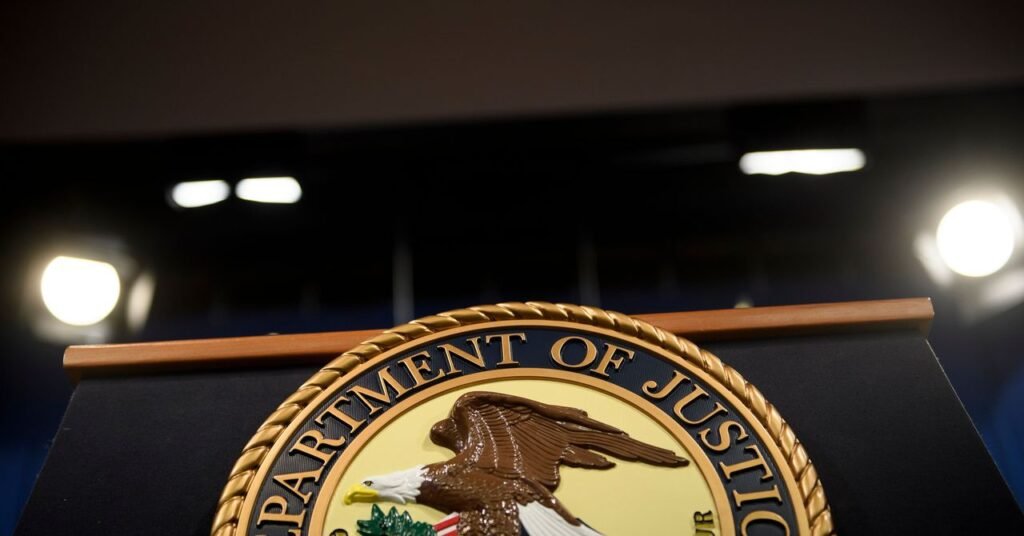
    On Thursday, the US Department of Justice, working with the cybercrime-fighting agency within the US Department of Defense known as the Defense Criminal Investigative Service, announced that it had dismantled four massive botnets in a single operation, removing the command-and-control servers used to commandeer the hacker-run armies of compromised devices known by the names JackSkid, Mossad, Aisuru, and Kimwolf. Together, operators of the four botnets had amassed more than 3 million devices, the Justice Department said, and often sold access to those devices to other criminal hackers as well as using them to target victims with overwhelming floods of attack traffic to knock websites and internet services offline.

    Aisuru and Kimwolf, a distinct but Aisuru-related botnet, had together comprised more than a million devices, according to DDoS defense firm Cloudflare, with Aisuru infecting a variety of devices ranging from DVRs to network appliances to webcams, and its Kimwolf offshoot infecting Android devices including smart TVs and set-top boxes. Cloudflare says the two botnets, working in conjunction, carried out a cyberattack against a Cloudflare customer last November that reached more than 30 terabits of data per second, nearly three times the size of the previous biggest such attack.

    No arrests were immediately announced along with the takedowns, but a Justice Department statement noted that the US government was collaborating with Canadian and German authorities, “which targeted individuals who operated these botnets.”

    “The United States is steadfast in our commitment to safeguarding critical internet infrastructure and fighting the cybercriminals who jeopardize its security, wherever they might live,” US attorney Michael J. Heyman wrote in a statement.

    Of the four botnets taken out in the operation, Aisuru had gained the most notoriety, thanks to a series of record-breaking or near-record cyberattacks it carried out last fall. The botnet, whose use was rented out like many such “booter” services offering their brute-force disruptive capabilities to anyone willing to pay, has been most visibly against gaming services like Minecraft and independent cybersecurity journalist Brian Krebs. Krebs, who has extensively investigated the botnet underground and Aisuru in particular, came under repeated attack from the botnet last year.

    Then in November, Cloudflare absorbed a recording-breaking combined attack from Aisuru and Kimwolf that lasted only 35 seconds but reached 31.4 terabits per second, a volume of attack traffic close to triple the size of any seen before. (The company hasn’t revealed which of its customers was hit with that attack.)

    In a report on the state of the DDoS ecosystem, Cloudflare described the maximum attack traffic of the combined Aisuru and Kimwolf botnets as equivalent to “the combined populations of the UK, Germany, and Spain all simultaneously typing a website address and then hitting ‘enter’ at the same second.” The botnet was capable, Cloudflare’s analysts wrote, of “launching DDoS attacks that can cripple critical infrastructure, crash most legacy cloud-based DDoS protection solutions, and even disrupt the connectivity of entire nations.”

    In fact, all four botnets disrupted by the US operation were variants of Mirai, an internet-of-things botnet that first appeared in 2016, broke records at the time for the size of the cyberattacks it enabled, and eventually was used in an attack on the domain-name service provider Dyn that took down 175,000 websites simultaneously for much of the United States. Mirai’s code base has since served as the starting point for a decade of other internet-of-things botnets.

    Recommended for you:

    EU rules push Nintendo toward replaceable battery design for Switch 2
    Gaming·Mar 20, 2026

    EU rules push Nintendo toward replaceable battery design for Switch 2

    Source: www.wired.com

    About this article: GeekBlog covers U.S. technology news, AI, phones, smartwatches and gaming. Every story is written and checked under our Editorial Policy. Spotted a mistake or have a story tip? Contact our editors.

    Share. Facebook Twitter Pinterest LinkedIn Tumblr Telegram Email Copy Link
    Previous ArticlePython Blood Could Kickstart the Next Big Thing in Weight Loss
    Next Article AI will accelerate tech job growth – former Tesla president explains where and why
    Michael Comaous

      Michael Comaous is a dedicated professional with a passion for technology, innovation, and creative problem-solving. Over the years, he has built experience across multiple industries, combining strategic thinking with hands-on expertise to deliver meaningful results. Michael is known for his curiosity, attention to detail, and ability to explain complex topics in a clear and approachable way. Whether he’s working on new projects, writing, or collaborating with others, he brings energy and a forward-thinking mindset to everything he does.

      Related Posts

      6 Mins Read

      Sony Is Bringing AI Upscaling to the Base PS5, and Marvel’s Wolverine Is the First to Benefit

      6 Mins Read

      OpenAI Scrapped GPT-6.1 Astra Because It Misreported What It Did. A Cheaper Model Ships Instead.

      7 Mins Read

      Google’s Gemini 4 Argon Tops Most Benchmarks. Almost Nobody Can Use It Yet.

      11 Mins Read

      This Clock Would Take 260 Billion Years to Lose One Second. The Universe Is 13.8 Billion Years Old.

      11 Mins Read

      NASA Found Possible Signs of Life on Mars. To Check, It Went to a Beach in Scotland.

      9 Mins Read

      Apple Put Video Into CarPlay and Millions of Drivers Cannot Find It. The Missing Piece Is the Car.

      Top Posts

      iPhone 18 Pro Max Price: Every Storage Tier and How to Pay Less

      October 6, 20267 Views

      iPhone Battery Replacement Cost: Every Model, Apple vs Repair Shop

      October 6, 20267 Views

      Best Stores for Buying MP3 and Digital Music You Can Keep Forever (2026)

      August 2, 20257 Views
      Stay In Touch
      • Facebook

      Subscribe to Updates

      Get the latest tech news from FooBar about tech, design and biz.

      Most Popular

      iPhone 18 Pro Max Price: Every Storage Tier and How to Pay Less

      October 6, 20267 Views

      iPhone Battery Replacement Cost: Every Model, Apple vs Repair Shop

      October 6, 20267 Views

      iPhone 17 Pro Camera: Specs, Test Scores and How It Compares to the 18 Pro

      October 6, 20264 Views
      Our Picks

      Garmin Vivoactive 6 Review: Is It Worth $299 in 2026?

      October 6, 2026

      Your Pixel 6 Just Got Its Last Security Patch. Here Is What Actually Changes.

      October 6, 2026

      Vivo Put 10,000mAh in a Mid-Range Phone. Filling It Takes Four Hours.

      October 6, 2026

      Subscribe to Updates

      Get the latest creative news from FooBar about art, design and business.

      HEICJPG.online - Convert HEIC to JPG online
      Facebook
      • About Us
      • Contact us
      • Privacy Policy
      • Disclaimer
      • Terms and Conditions
      • Editorial Policy
      • Cookie Policy
      • Your Privacy Choices
      © 2026 GeekBlog

      Type above and press Enter to search. Press Esc to cancel.