

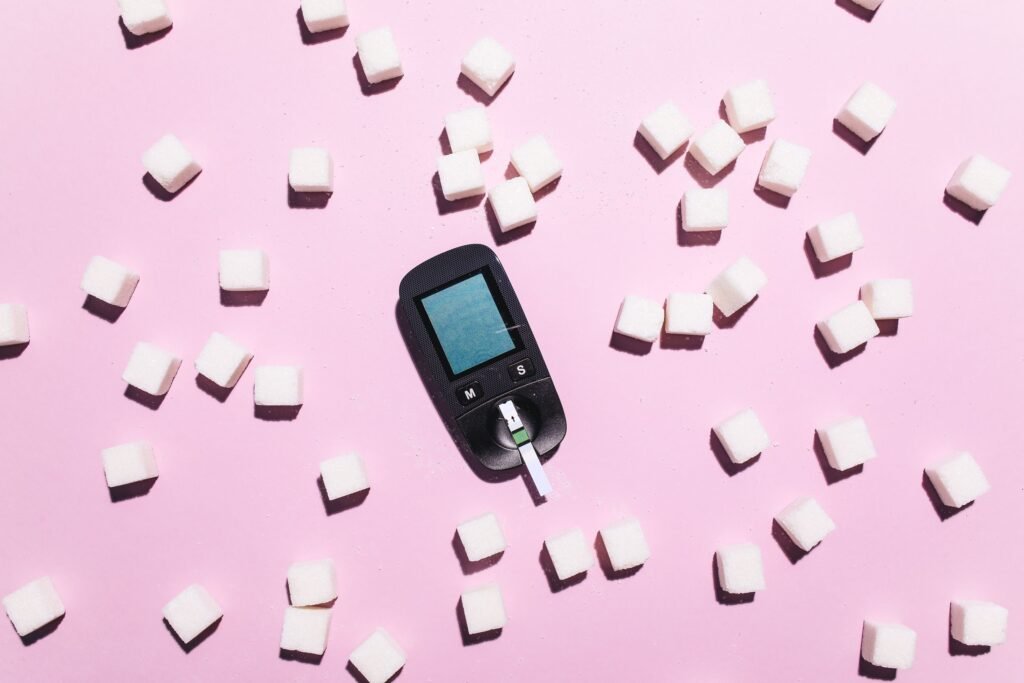
Apple’s Series 12 event and Samsung’s latest Galaxy Watch patent both landed in the same week of September 2026, and both companies teased the same headline feature: reading your blood sugar straight from your wrist, no needle involved. Neither one actually shipped it. Samsung filed a patent on September 9 describing a sensor that still needs a separate glucose reading to calibrate against, and Apple’s non-invasive project, reportedly in development for more than fifteen years, was quietly handed to a new engineering lead instead of showing up in a keynote.
While the true non-invasive sensor stays a few years out, a smaller and much more useful problem has already been solved. Dexcom’s newest sensor talks directly to an Apple Watch over Bluetooth, Samsung Health pulls the same data into a Galaxy Watch, and Garmin owners have had glucose numbers on their wrist for years through a free app. This guide separates what your smartwatch glucose monitoring options actually do today from what is still a patent filing, a rumor, or a genuinely risky shortcut.
Short answer
No smartwatch or smart ring can measure your blood glucose on its own yet. Every glucose number you see on an Apple Watch, Galaxy Watch, or Garmin is coming from a separate continuous glucose monitor, such as a Dexcom G7 or FreeStyle Libre 3, that the watch is simply displaying over Bluetooth. Samsung and Apple are both developing true non-invasive sensors, but neither has a working consumer product, and most reporting points to 2027 at the earliest. The FDA has been explicit since February 2024 that it has not authorized a single smartwatch or ring to estimate glucose by itself, which has not stopped dozens of budget brands from selling exactly that claim.
How a Watch Actually Gets a Glucose Number
There is only one reliable path to a glucose reading on your wrist right now, and it starts under your skin, not on it. A continuous glucose monitor, or CGM, is a small sensor with a thin filament that sits just under the skin of your upper arm and measures glucose in the fluid between cells every few minutes. The sensor itself, not the watch, is the medical device the FDA has actually reviewed and cleared.
- Direct to watch. Dexcom’s G7 sensor can pair straight to a compatible Apple Watch over its own Bluetooth connection, so readings, trend arrows, and alerts show up on your wrist even if your phone is in another room. It is the first CGM that works this way.
- Phone relayed. Samsung’s Gluco Track feature inside Samsung Health pulls Dexcom G7 data in through your phone first, then mirrors it to a Galaxy Watch 7 or Galaxy Watch Ultra as a graph and trend arrow alongside your other health metrics.
- Third party apps. Garmin has shipped an official Dexcom Connect IQ app for years, and independent developers have gone further. An app called Sugar Sense shipped in August 2026 covering both FreeStyle Libre and Dexcom sensors, plus any Nightscout setup, refreshing roughly every five minutes across more than 140 Garmin watches and bike computers.
In every case above, the watch is a screen, not a sensor. Take the CGM off your arm and the watch goes back to guessing nothing about your blood sugar at all.
Smartwatch Glucose Features Compared
| Watch | How It Gets Glucose Data | Needs a CGM Sensor? | US Regulatory Status |
|---|---|---|---|
| Apple Watch (Series 6 and later) | Dexcom G7 Direct to Apple Watch, Bluetooth, no phone required | Yes, Dexcom G7 | Watch displays FDA-cleared CGM data only |
| Samsung Galaxy Watch 7 / Watch Ultra | Gluco Track in Samsung Health, relayed through the paired phone | Yes, Dexcom G7 | Watch displays FDA-cleared CGM data only |
| Garmin (140+ models) | Official Dexcom Connect IQ app, or third-party Sugar Sense / GGlance | Yes, Dexcom or FreeStyle Libre | Watch displays FDA-cleared CGM data only |
| Google Pixel Watch / Fitbit | No CGM display. Insulin Resistance Trends estimates risk from heart rate, HRV, sleep, and steps | No sensor, indirect estimate only | Wellness feature, not FDA reviewed |
| Budget “blood sugar” watches and rings | An unverified optical formula claiming to read glucose through the skin | No sensor, no clinical basis disclosed | Specifically named in the FDA’s 2024 safety warning |
The Non-Invasive Race: Apple, Samsung, and Everyone Chasing Them
The feature everyone actually wants, a watch that reads glucose from the skin with no external sensor at all, is still not a product anywhere in the world. Here is how the two biggest attempts have moved through 2026.
Apple’s approach reportedly uses optical absorption spectroscopy, shining specific light wavelengths under the skin and reading how they scatter to estimate glucose concentration in interstitial fluid, the same fluid a CGM measures directly. The hard part was never the optics. It is proving the reading holds up across different skin tones, hydration levels, and body types well enough to trust with an insulin dose, and that is exactly the bar regulators are holding it to.
Samsung’s newest patent, published September 9, 2026, is a more modest step than the marketing buzz around it suggests. It describes a wearable that still needs one reading from an external glucose device to calibrate itself before it can estimate anything, which is closer to Samsung’s existing blood pressure approach than to a true standalone sensor. That distinction matters, and it is the same one that runs through our look at how smartwatch blood pressure monitoring actually works across brands, where an optical estimate calibrated against a real device is treated very differently from a device that measures something on its own.
Best Ways to See Glucose Data on Your Wrist Right Now
Best for Apple Watch owners: Dexcom G7 Direct to Apple Watch
If you already wear a Dexcom G7, this is the smoothest setup available on any platform. The sensor pairs straight to a Series 6 or later Apple Watch over its own Bluetooth radio, so your current glucose value, trend arrow, and a 1, 3, or 6 hour graph stay on your wrist even when you leave your phone on the kitchen counter. When the watch has a Wi-Fi connection, it will keep sharing your readings with anyone following your data, which matters for parents of kids with Type 1 diabetes or caregivers keeping an eye on an older relative.
Best for Samsung and Android: Galaxy Watch with Gluco Track
Galaxy Watch 7 and Galaxy Watch Ultra owners get Dexcom G7 data through Samsung Health’s Gluco Track feature, shown as a trend graph next to the rest of your daily health metrics rather than as an isolated app. It relies on your phone to relay the connection, so it is a step behind Apple’s direct link, but it puts glucose data in the same dashboard as your heart rate, sleep, and the watch’s other tracking, which is a genuinely convenient way to spot patterns.
Best for athletes and Garmin owners: official Dexcom app, or Sugar Sense for Libre
Garmin has quietly supported this longer than either of its bigger rivals through an official Dexcom Connect IQ app that works across a huge range of watches and cycling computers. If you use FreeStyle Libre instead of Dexcom, Sugar Sense and GGlance are third-party Connect IQ apps that pull readings through LibreLinkUp or Dexcom Share, refresh roughly every five minutes, and run on well over 140 Garmin devices, letting athletes with diabetes check glucose mid-workout without breaking stride to grab a phone.
Best no-CGM option: Google Pixel Watch and Fitbit Insulin Resistance Trends
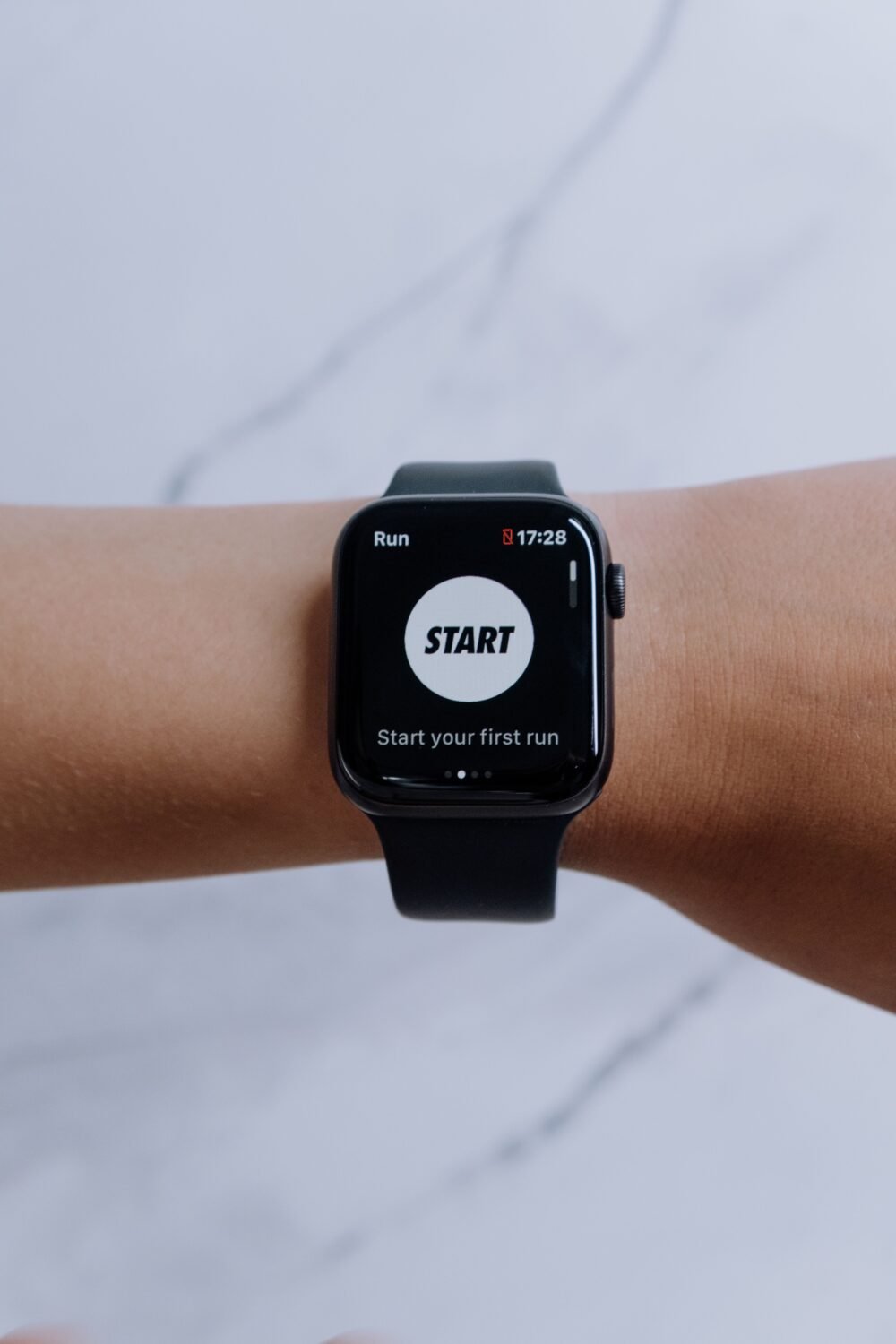
If you do not have diabetes and are not wearing a CGM at all, Google’s approach is worth a look for a different reason. Insulin Resistance Trends on the Pixel Watch and Fitbit skips glucose entirely and instead looks for an early warning pattern in resting heart rate, heart rate variability, sleep, and steps, the same signals doctors already associate with insulin resistance. It will never show you a glucose number, and Google is explicit that it is a screening nudge rather than a diagnosis, but it is the only option here that needs no external sensor at all.
Skip this one: unbranded “blood sugar” watches and rings
These are the products the FDA warning is actually about. They typically show a confident glucose number generated by an unpublished formula, with no sensor under the skin, no clinical validation, and no regulatory review of any kind. A wrong blood pressure reading is a real risk. A wrong glucose reading used to guide an insulin dose can be a medical emergency within hours.
What the FDA actually says
On February 21, 2024, the FDA issued a safety communication stating it “has not authorized, cleared, or approved any smartwatch or smart ring that is intended to measure or estimate blood glucose values on its own.” The agency identified devices from dozens of companies sold under multiple brand names and warned that inaccurate readings can lead to dangerous dosing errors, including severe hypoglycemia, confusion, coma, or death. That warning does not apply to a smartwatch simply displaying data relayed from an FDA-cleared CGM like a Dexcom or FreeStyle Libre sensor. It applies to any device claiming to measure glucose by itself, through the skin, with no sensor at all.
Who Actually Needs This
If you already manage diabetes with a CGM, getting that data onto your wrist is a genuine quality of life upgrade, not a gimmick. It means fewer times pulling out your phone during a meeting, a workout, or the middle of the night, and it is worth checking whether your specific sensor and watch combination supports a direct or phone-relayed connection before you buy either one. Our wider guide to what each smartwatch actually tracks for health monitoring is a useful next stop if glucose is just one of several conditions you are trying to keep an eye on.
If you do not have diabetes or prediabetes, none of this is something to go shopping for yet. The passive insulin resistance screening on Google’s watches is free extra insight if you already own one, but a true non-invasive glucose sensor for everyday wellness tracking is still, realistically, a 2027 story at the earliest.
Frequently Asked Questions
Can the Apple Watch or Galaxy Watch measure blood sugar by itself?
No. Neither watch has a sensor that reads glucose through the skin. Both can display glucose data, but only when paired with a separate continuous glucose monitor such as a Dexcom G7, which remains the actual FDA-cleared medical device doing the measuring.
When will a smartwatch be able to read glucose with no sensor at all?
Nobody has a confirmed date. Apple’s non-invasive project has reportedly been in development for more than fifteen years and was not ready for the Series 12, and Samsung’s most recent patent still relies on an external calibration reading. Most independent reporting puts a genuine consumer launch from either company at 2027 or later.
Are smartwatches or rings that claim to measure blood sugar safe to use?
The FDA specifically warned against these products in February 2024, stating it has not authorized any smartwatch or smart ring to measure or estimate glucose on its own. Treat any device making that claim without a physical sensor as unverified, and never use one to guide an insulin dose or other treatment decision.
Does Garmin support glucose monitoring?
Yes, longer than most rivals. Garmin offers an official Dexcom Connect IQ app, and third-party apps like Sugar Sense and GGlance add FreeStyle Libre support across more than 140 Garmin watches and cycling computers, all by relaying data from an existing CGM sensor rather than measuring anything new.
Final Verdict
Smartwatch glucose monitoring in 2026 is really two different stories wearing one name. If you already use a Dexcom or FreeStyle Libre sensor, putting those readings on your wrist through an Apple Watch, Galaxy Watch, or Garmin is mature, well supported technology worth setting up today. If you are hoping for a watch that reads your blood sugar with nothing touching your skin, that product does not exist yet, no matter what a patent filing or a keynote teaser implies. Until it does, treat any device that claims otherwise the way the FDA does: as an unverified guess, not a reading you can trust with your health.
