

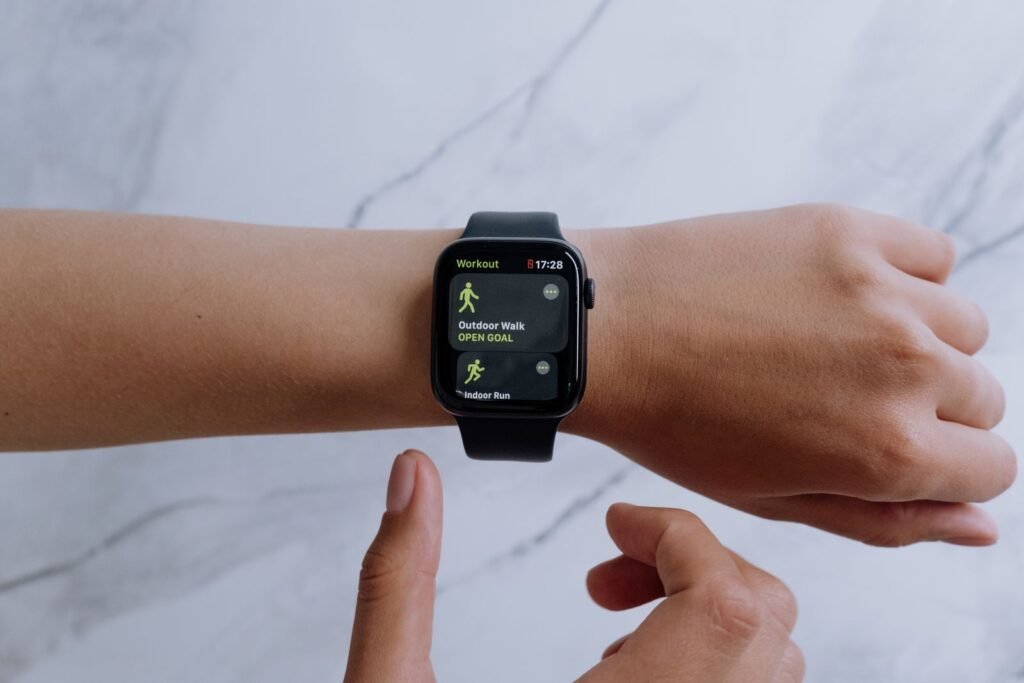
Somewhere between your resting heart rate and how well you slept last night, Google thinks it has found an early warning sign for one of the most common metabolic problems in the country. Starting this month, the Pixel Watch and Fitbit are getting a feature called Insulin Resistance Trends, and it does not need a single drop of blood to work.
It is a quiet rollout for a genuinely ambitious idea. Insulin resistance, the condition where your cells stop responding properly to insulin, usually shows up years before a Type 2 diabetes diagnosis, and most people never get tested for it until a routine blood panel catches it by accident. Google is betting that a watch you already wear every day can catch the pattern much earlier, using nothing but sensors it was already collecting data from.
Short answer
Insulin Resistance Trends is a new Health Guardian feature rolling out in September 2026 to Pixel Watch 3 and later, plus Fitbit Air and Fitbit Ultra. It analyzes weeks of resting heart rate, heart rate variability, sleep, and step data to flag whether your metabolic health looks like it is trending in the wrong direction. It is genuinely backed by a published study, but Google’s own numbers show it misses a meaningful share of real cases, and the company is explicit that it is not a diagnostic tool. Treat a flag as a reason to talk to a doctor, not as a result.
What Insulin Resistance Trends Actually Does
The feature lives inside the Google Health app as part of a broader push called Health Guardian, alongside new blood pressure trend tracking. It does not give you a live number or a glucose reading, and it never will, since the Pixel Watch has no way to measure blood sugar directly. Instead, it runs quietly in the background and produces a monthly summary that labels your trend as something like “typical” or “high,” based on weeks of accumulated sensor data rather than any single reading.
That distinction between a one-off number and a slow moving trend matters a lot here, and it is the same distinction that separates a real medical device from a wellness estimate on nearly every smartwatch today. Our breakdown of how blood pressure tracking actually works across smartwatch brands runs into the exact same tension, and Google is leaning hard into the trend based approach here rather than chasing a single clinical grade reading.
The Science Behind It: A Nature Study on 1,165 Adults
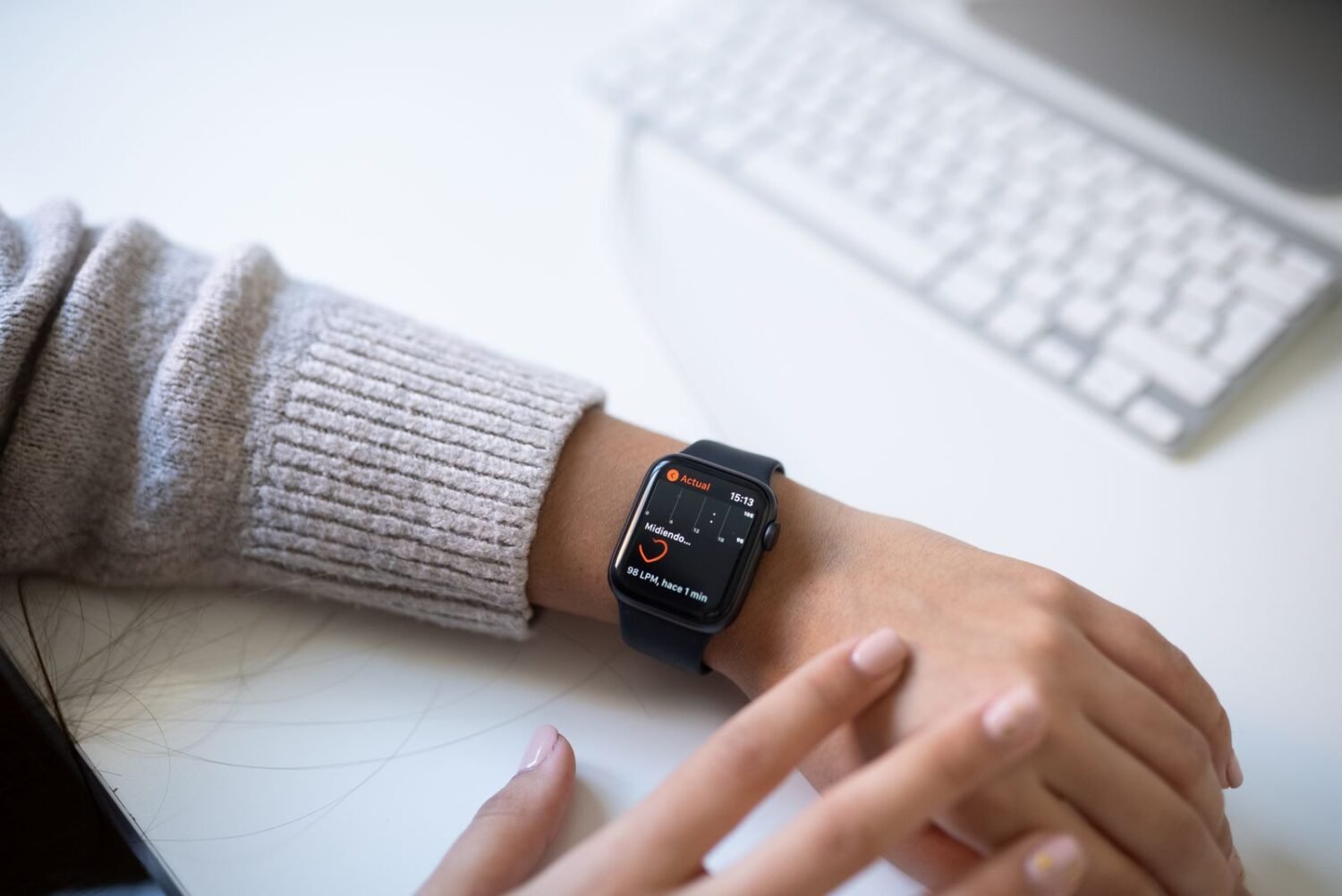
Google is not pulling this out of thin air. The feature is built on research the company published in Nature, which looked at data from 1,165 adults wearing Fitbit and Pixel Watch devices and compared their wearable metrics against HOMA-IR, a standard blood test based measure of insulin resistance. The pattern the researchers found lines up with decades of prior clinical research on the autonomic nervous system: people with a higher resting heart rate, lower heart rate variability, and fewer daily steps were more likely to score as insulin resistant.
The biology behind that connection is not new. The vagus nerve links the heart to the pancreas, and as the sympathetic and parasympathetic branches of the nervous system fall out of balance, it shows up both in beat to beat heart rhythm and in how well the body regulates insulin. A wrist sensor was never going to measure glucose, but it turns out it was already collecting three of the four signals researchers use to spot that imbalance.
| Wearable Signal | Correlation With Insulin Resistance | Direction of the Signal |
|---|---|---|
| Resting heart rate | r = 0.27 (strongest link) | Higher resting heart rate, higher risk signal |
| Daily step count | r = -0.25 | More daily steps, lower risk signal |
| Heart rate variability | r = -0.14 | Higher HRV, lower risk signal |
| Sleep duration | Used as a supporting input | Aggregated over weeks, not single nights |
Notice which metric carries the most weight. It is resting heart rate, the same simple number our deep dive into why your smartwatch is most accurate when you are doing nothing already argued is the most underrated reading on your wrist. Google’s own research is effectively confirming that a boring, passively collected number is doing more heavy lifting here than any flashy new sensor.
How the Feature Turns Sensor Data Into a Monthly Trend
Which Devices Get It, and When
Google announced Health Guardian and Insulin Resistance Trends at its Made by Google event in August, but the rollout itself lands in waves through September 2026. You do not need to buy the newest hardware to get it, which is a nicer approach than most watchmakers take with headline features.
| Device | Insulin Resistance Trends | Timing |
|---|---|---|
| Pixel Watch 5 | Included with the full Health Guardian suite | Available now |
| Pixel Watch 3 / 4 | Added through a software update | Rolling out through September |
| Fitbit Air / Fitbit Ultra | Included | Rolling out through September |
| Apple Watch, all models | No equivalent feature | Not announced |
| Samsung Galaxy Watch, all models | No equivalent feature | Not announced |
For now, this is a genuine differentiator for Google’s wearable lineup. Neither Apple nor Samsung has announced anything comparable, even though both companies track the exact same underlying inputs, resting heart rate, HRV, sleep, and activity, on every watch they sell. If either rival wants to catch up, they already have the raw sensor data sitting in their apps. What they do not have yet is Google’s clinical study or its algorithm.
The catch: this is a screening nudge, not a test
Insulin resistance detection from wearable data alone is never going to be perfect, and Google is not claiming it is. Independent reviews of the company’s own published results have pointed out that the model misses a meaningful share of people who are actually insulin resistant, with some analyses putting the miss rate at roughly four in ten cases. Illness, poor sleep, a new medication, or simply a stressful month can shift the same signals the model relies on. Google is explicit in its own materials that Insulin Resistance Trends is not FDA approved, is not a diagnostic tool, and should never be used to guide a medication or treatment decision on its own.
What This Actually Means If You Own One of These Watches
If your watch flags a high trend, the honest way to read it is closer to a smoke alarm than a diagnosis. It is telling you a pattern in your data has shifted in a direction associated with higher risk, not that you have a confirmed medical condition. The right next step is the same one doctors already recommend for anyone with risk factors for Type 2 diabetes: talk to a physician and, if appropriate, get an actual blood test. A watch alert is a reason to book that appointment sooner, not a replacement for it.
- If you already track resting heart rate and HRV closely, this feature is essentially free extra insight layered on top of data your watch was already collecting.
- If you have a family history of Type 2 diabetes or prediabetes, the feature is worth turning on and checking monthly, alongside your regular checkups, not instead of them.
- If you are generally healthy with no risk factors, do not be alarmed by an occasional “watch” label. The system is built around weeks of trend data, and a single rough week of sleep or travel can nudge the number.
- If privacy is a concern, the data feeds into Google’s Health app under its standard privacy policy, and the feature can be turned off at any time from the app settings.
It is also worth putting this in context with everything else smartwatches already claim to track. Our full breakdown of what each smartwatch brand actually monitors, and which features are cleared versus just estimated is a useful companion read if you are trying to figure out how seriously to take any health claim on a wearable, not just this one.
Frequently Asked Questions
Do I need to buy a Pixel Watch 5 to get Insulin Resistance Trends?
No. Google is rolling the feature out to Pixel Watch 3 and Pixel Watch 4 through a software update, plus Fitbit Air and Fitbit Ultra, alongside the new Pixel Watch 5. You do not need the newest hardware specifically to get it.
Can this feature actually diagnose Type 2 diabetes?
No. Google explicitly markets Insulin Resistance Trends as a wellness feature, not a diagnostic tool, and it is not FDA approved. It cannot measure blood glucose and should never replace an actual blood test or a conversation with a doctor.
How accurate is wearable based insulin resistance tracking?
Google’s underlying research, based on more than a thousand adults, found real statistical correlations between resting heart rate, HRV, step count, and insulin resistance. But independent analysis of that same data suggests the model misses a notable share of true cases, so it should be treated as a directional signal rather than a precise test.
Does Apple Watch or Samsung Galaxy Watch have a similar feature?
Not yet. Both companies collect the same core metrics this feature relies on, resting heart rate, HRV, sleep, and steps, but neither has announced an equivalent insulin resistance trend feature as of this rollout.
Final Verdict
Insulin Resistance Trends is one of the more genuinely useful ideas to show up on a smartwatch in a while, precisely because it does not try to reinvent the sensor stack. It takes data your Pixel Watch or Fitbit was already collecting and asks a smarter question of it. The science behind it is real and published, which is more than most wellness features can claim, but the honest framing is a screening nudge rather than a lab result. If your watch tells you your trend looks off this month, treat it the way you would treat any smoke detector going off for an unclear reason: worth checking, not worth panicking over.
Sources and further reading
- Google Blog: Health Guardian features on Pixel Watch and Fitbit
- 9to5Google: blood pressure and insulin resistance roll out on Pixel Watch
- Engadget: Pixel Watch 5 insulin resistance trends rolling out
About this article: GeekBlog covers U.S. technology news, AI, phones, smartwatches and gaming. Every story is written and checked under our Editorial Policy. Spotted a mistake or have a story tip? Contact our editors.
