

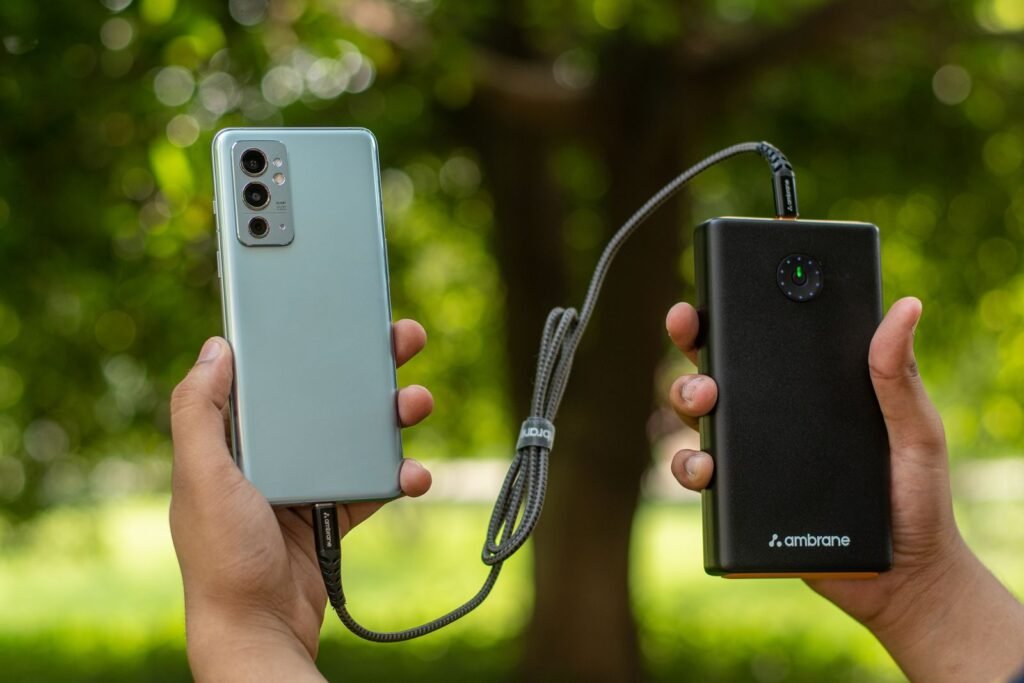
Remember when a Nokia would go a week between charges and you never thought about it? Honor apparently wants that feeling back, without giving up a big screen and a modern chip. According to the well known Weibo leaker Digital Chat Station, Honor is testing phone batteries rated at 14,000mAh to 15,000mAh, and the main goal for the phone that carries one is a “guaranteed” week of battery life.
That is roughly three times what sits inside a Galaxy S26 Ultra or an iPhone 17 Pro Max. It would also beat Honor’s own record from barely two weeks ago by around 3,000mAh. The leaker adds that the phone should stay under 250 grams and not be “excessively thick.”
It is a single source, so treat it as a rumor for now. But it fits the direction the whole industry is moving, and it raises fun questions. How much do you actually have to use a phone for 15,000mAh to last seven days? How long would it take to charge? And why might it never leave China? We did the math.
What the leak actually says
Digital Chat Station has a solid track record on Chinese phones, and outlets including TechRadar, NotebookCheck and Android Headlines picked up the post on November 3 and 4. Here is what has been claimed, and how firm each part looks.
| Claim | Detail | How solid |
|---|---|---|
| Battery capacity | 14,000 to 15,000mAh | Leaker, widely repeated |
| Main selling point | “Guaranteed” one week per charge | Leaker |
| Weight and size | Under 250g, not excessively thick | Leaker, in Weibo replies |
| Development stage | Prototype testing | Reports differ on how far along |
| Brand | Honor | Strongly implied, not confirmed |
| Model and launch | Possibly Power 3 or Win RT3, in 2027 | Speculation |
| Charging | Around 90W wired | Single outlet, unverified |
Amber: leaked detail from a reliable source. Red: speculation or a single report. Honor has made no official statement.
How 15,000mAh compares with today’s phones
If anyone was going to do this, Honor makes sense. It debuted 10,000mAh in a mainstream phone, then moved to 11,000mAh in the X80 Pro Max this summer, and on October 21 the Win RT2 and Win Turbo 2 arrived with 12,070mAh cells. Going from 10,000mAh to 12,070mAh took less than a year. Another 3,000mAh in 2027 would be in keeping with that pace.
The difference is what this phone is supposed to look like. The 16,000mAh Oukitel WP70 Ultra we saw at IFA is 16.4mm thick, roughly double a normal flagship. Honor is reportedly aiming for something that still passes as a normal phone. For reference, vivo’s S2 FE fits 10,000mAh into 8.6mm and 224g. Honor would need to add half again as much battery while staying under 250g, about 26g more.
The chemistry that makes it possible
This is happening because of silicon carbon anodes. Traditional lithium ion cells use graphite on the anode side. Swapping in silicon, which can hold far more lithium ions, raises energy density so a battery of the same size stores more charge. Honor brands its version as Qinghai Lake, and has been one of the most aggressive companies pushing it.
Silicon has a catch: it swells as it charges, which historically caused faster wear. Newer cells manage that with carbon structures and higher silicon ratios tuned over several generations. If you want the full background, our explainer on silicon carbon batteries versus standard lithium ion covers why Chinese brands moved first and why Apple has stayed cautious.
The math: what a “week” really requires
Battery life claims depend on how you use your phone, so let us put numbers on it. Seven days from 15,000mAh means an average drain of about 2,140mAh per day. That is the budget, regardless of how clever the software is.
To put that in context, a heavy user who drains a 5,000mAh flagship to near zero by bedtime is burning roughly 4,000 to 5,000mAh a day. On this Honor, that person gets three days or so, not seven. Someone who checks messages, navigates a little and watches a few short videos could plausibly hit a week. So “guaranteed” probably comes with a usage profile attached, the same way manufacturers quote video playback hours today.
Three days for a heavy user is still remarkable, though. It means a long weekend of travel without hunting for an outlet, which is exactly the kind of buyer this phone seems aimed at: delivery riders, field workers, hikers and anyone who lives far from a charger.
The charging problem nobody mentions
A huge battery is only half the experience. The other half is how long you sit tethered to the wall when it finally runs out. One report suggests about 90W wired charging, though that has not been backed up by the original leaker.
Even at 90W, a 58Wh battery would take well over an hour to fill, because phones only charge at peak speed for the first part of the cycle and then slow down to protect the cell. At slower speeds it gets painful. When vivo shipped its 10,000mAh S2 FE with 44W charging, a full charge reportedly took three and a half to four hours. Scale that to 15,000mAh at similar power and you are looking at an overnight job.
That may not matter much if you only charge once a week. It just changes the habit: instead of topping up daily, you plug in on Sunday night and forget about it.
Why it might never leave China
There are two hurdles for anyone outside China hoping to buy one.
First, Honor does not sell phones in the US. American buyers would have to import one, with no carrier support guarantees and limited warranty help.
Second, shipping rules for lithium batteries. The widely used exemption for batteries shipped inside devices caps each individual cell at 20Wh, which works out to only around 5,100mAh at typical phone voltages. Anything bigger either has to be split into multiple cells or shipped as fully regulated dangerous goods, which is more expensive and complicated. That is a big reason several Chinese brands sell smaller batteries in Europe than at home. We saw it with Oppo’s Find X10 Pro Max, which drops from 8,000mAh to 7,150mAh in Europe. A 15,000mAh phone would need at least three cells to stay under the per cell limit, adding cost, weight and engineering complexity.
Should you wait for it?
- You live in China or a market where Honor sells its Power and Win phones
- You spend days away from outlets for work, travel or the outdoors
- You currently carry a power bank every day just to get through
- You care more about endurance than about the very best camera
- You are in the US and want carrier support and a local warranty
- You need a phone soon, since a launch is not expected before 2027
- You are already happy with a phone that lasts a day and a half
- You want a light phone: 250g is still heavier than most flagships
Frequently asked questions
Is Honor really making a 15,000mAh phone?
According to leaker Digital Chat Station, Honor is testing batteries between 14,000mAh and 15,000mAh for a future phone. Honor has not confirmed it, and the details come from a single, though generally reliable, source.
Would a 15,000mAh phone really last a week?
Only with light to moderate use. Seven days requires averaging about 2,140mAh per day. Heavy users would likely get around three days, which is still far beyond today’s flagships.
When will the Honor 15,000mAh phone launch?
No date is official. Reports suggest a 2027 launch, possibly as part of Honor’s Power or Win series.
What is the biggest battery in a phone right now?
Among mainstream phones, Honor’s Win RT2 and Win Turbo 2 lead with 12,070mAh. Rugged phones go higher, such as the 16,000mAh Oukitel WP70 Ultra, but they are much thicker.
Can I buy Honor phones in the US?
Not officially. Honor does not sell phones in the US, so you would need to import one and check that it supports your carrier’s bands.
Sources and further reading
- TechRadar: Honor is reportedly testing a phone with a record 15,000mAh battery
- Android Headlines: Honor is testing a phone with a 15,000mAh battery and a week of battery life
- MobiDevices: Honor is preparing a smartphone with a battery capacity of up to 15,000mAh
About this article: GeekBlog covers U.S. technology news, AI, phones, smartwatches and gaming. Every story is written and checked under our Editorial Policy. Spotted a mistake or have a story tip? Contact our editors.
