
Author: Marcus Bennett

Marcus Bennett is GeekBlog's Android expert, covering everything from Google's Pixel line and Samsung Galaxy flagships to OnePlus, Nothing, Xiaomi and the broader Android ecosystem. He follows each Android OS release, One UI and Pixel Feature Drop, custom ROMs and the foldable wave, translating spec sheets and beta builds into hands-on guidance for readers choosing their next Android phone, tablet or wearable.
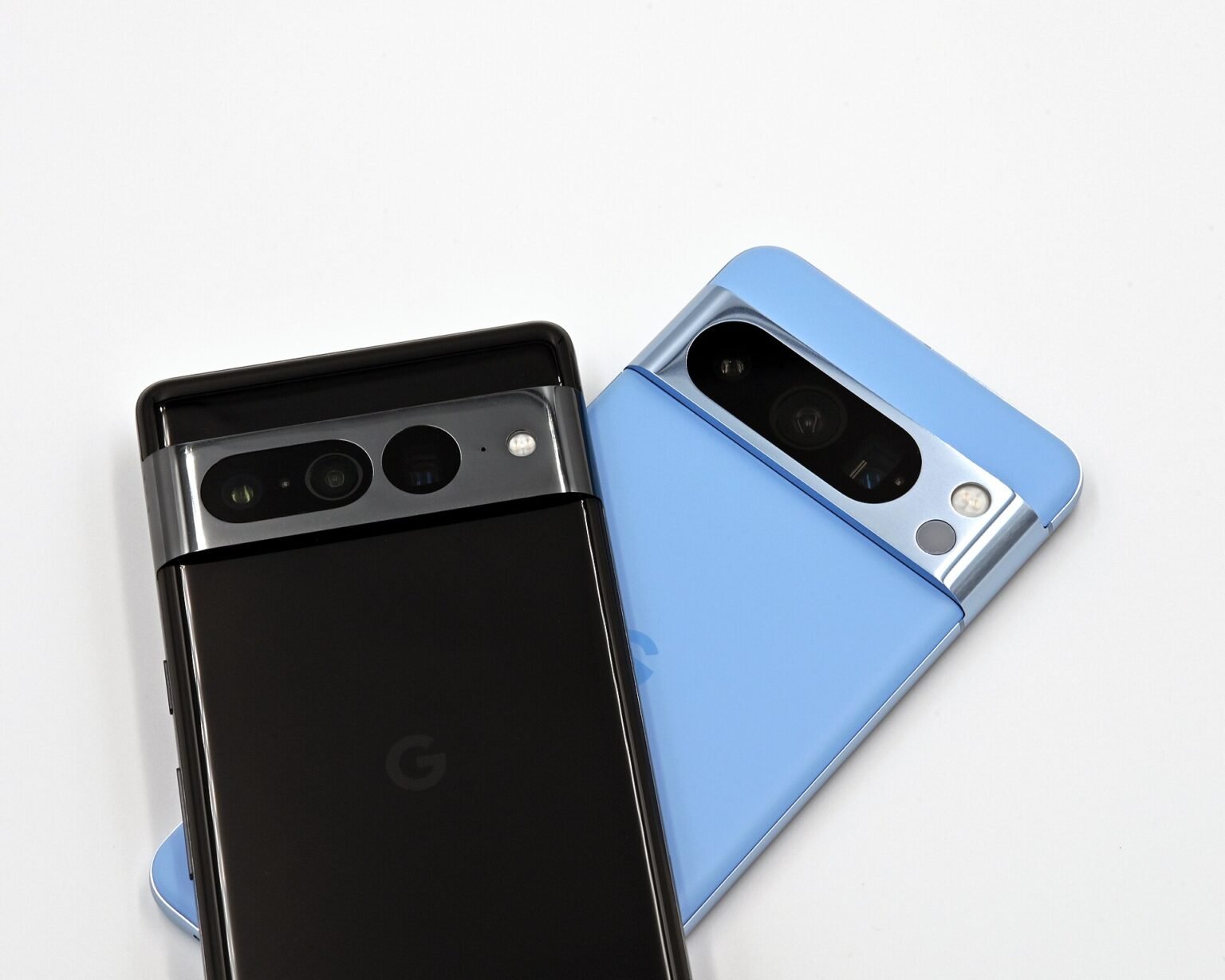
Google’s October Pixel bulletin fixes three critical vulnerabilities, including a Bluetooth privilege escalation bug that needs nothing more than being near you. The wider Android bulletin adds 25 more. Here is what is actually in the update, which devices get which fixes, and why the Pixel 6 case is different this month.
Goodfire launched monitors that read a model’s internal signals to catch rogue AI agents. In its tests on Kimi K3 they cost a fraction of the usual approach.
A smartwatch can flag signs of moderate to severe sleep apnea, but it cannot diagnose it. Here is how Apple and Samsung compare, how accurate they are, and what to do after an alert.
SpaceX has agreed to buy Grain Management’s nationwide 800MHz spectrum portfolio, up to 14MHz paired, and says it will build the world’s most advanced mobile network and become a major US carrier. The low band fills the one gap mid band cannot cover, but analysts point out that reliable indoor coverage in cities still needs a terrestrial network SpaceX has not started building.
Utah has signed a 12-month agreement letting Nolla Health’s AI issue first-time acne prescriptions, a US first. The headlines say an AI is prescribing without a doctor. The actual terms describe three oversight stages, a 24-hour reporting duty and malpractice cover for AI decisions. Here is what the rules really allow.
Microsoft revealed prices for the Nvidia RTX Spark Surface Laptop Ultra and a $6,000 dev box, plus a Windows 11 feature meant to sandbox AI agents.
A smartwatch with ECG can flag signs of atrial fibrillation, but not every model does it the same way. Here is how Apple, Samsung, Pixel, Garmin and Withings compare in 2026.
OpenAI published the technical report for textGrain on October 5 and will start adding an invisible watermark to ChatGPT and Codex text in the European Union within weeks. The detector catches around 95 percent of long untouched passages. Replace a quarter of the words and that drops to 17 percent. Here is what the signal actually proves, and what it does not.
OpenAI will watermark ChatGPT and Codex text in the EU. Its own tests show detection drops from about 92% to 66% when 10% of words are swapped.
Every smartwatch claims GPS, but accuracy, dual-band support and battery life vary wildly. Here is how Apple, Pixel, Garmin and Coros compare in 2026.