

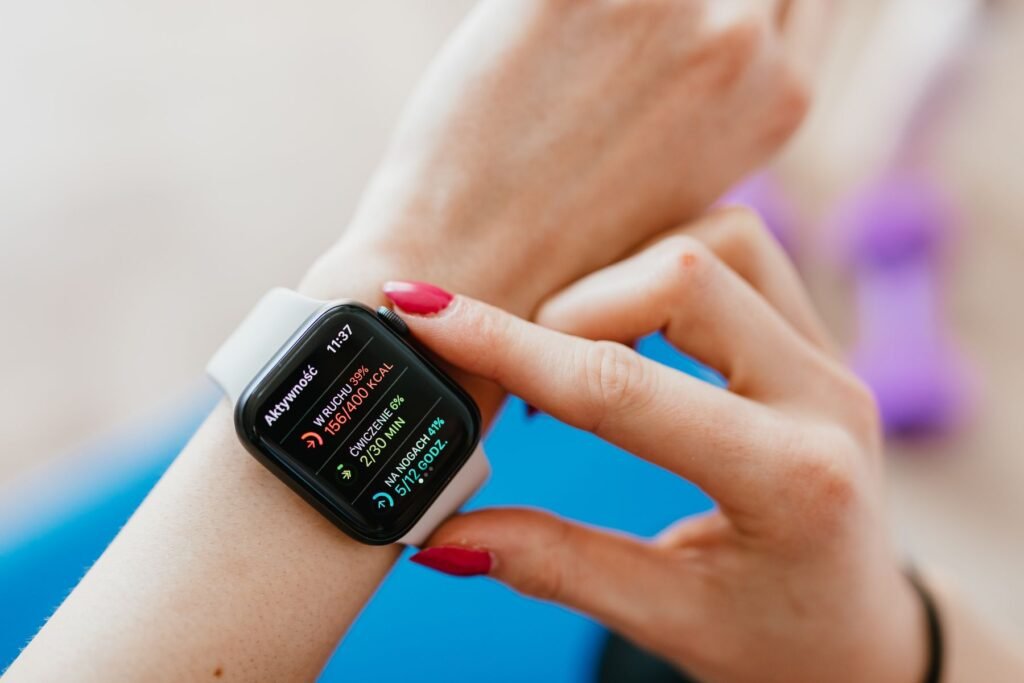
Perimenopause rarely announces itself. For many women it shows up as nights that suddenly fall apart, a resting heart rate that creeps up, or a warm flush in the middle of a meeting. A smartwatch sits on your wrist all day and all night, so it is natural to wonder whether it can make sense of all that. The honest answer is yes, partly. No mainstream watch can reliably spot a hot flash today, but several can track the sleep, temperature and symptom patterns that surround one.
This guide to the best smartwatch for menopause in 2026 explains what wrist devices can and cannot measure, what the research says, and how Apple, Garmin, Samsung, Google and Huawei compare. Specs and features come from manufacturer pages and recent coverage, and they change, so check the current listing before you buy.
Quick answer
If you want a built-in menopause symptom list, Garmin is the clearest pick, because Garmin Connect lets you switch on perimenopause and menopause symptom logging. If you use an iPhone, an Apple Watch gives you nightly wrist temperature, sleep scoring and cycle logging. Samsung and Huawei also offer skin temperature tools. None of them detects hot flashes on its own.
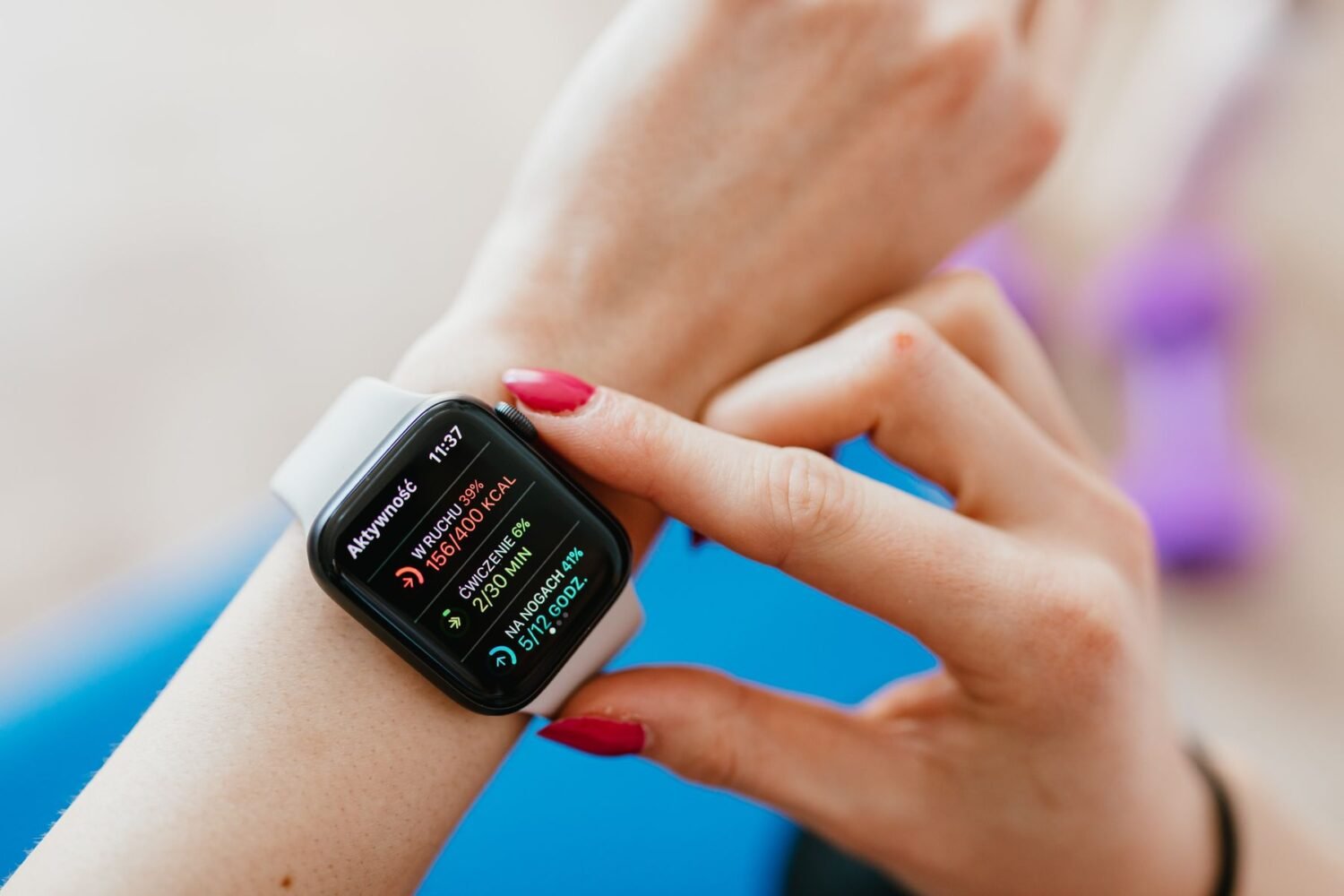
What a Smartwatch Can Track During Menopause
Menopause is confirmed after 12 months without a period, and the years before it, called perimenopause, are when most symptoms appear. In the US the average age at menopause is about 51, though perimenopause often starts in the 40s. Hot flashes are the best known symptom, and commonly cited estimates say they affect most women, with figures running as high as about 80%. Night sweats, broken sleep and mood changes are common too.
A watch does not measure hormones, so it cannot tell you where you are in the transition. What it can do is record the things that change around it:
- Sleep. Time asleep, restlessness and wake-ups. This is the most useful data for most women, because it shows whether bad nights are becoming a pattern.
- Heart rate and heart rate variability. Resting heart rate often rises on poor nights, and a watch shows the trend over weeks.
- Skin or wrist temperature. Overnight readings show shifts from your own baseline. They are context, not a hot flash counter.
- Symptom logs. A few platforms let you tag hot flashes, headaches or mood changes, then compare them with your sleep and heart data.
Good to know
Apple describes its wrist temperature sensing as not intended for medical use, and Huawei says its skin temperature feature is not a medical device. Treat any menopause insight from a watch as a prompt for a conversation with your doctor, not a result.
Can a Smartwatch Detect Hot Flashes?
Not reliably, and not yet in a mainstream product. The research shows why. A team at UMass Amherst built an AI model on skin conductance data from peri and postmenopausal women that identified 82% of hot flashes and predicted nearly 70% of them about 17 seconds before women felt them. That is promising, but it came from a study setting with specialized sensing. Older work using skin conductance devices in everyday life has been much weaker, with one Mayo Clinic linked prototype reaching only 24% agreement between what women reported and what the device recorded.
That is why the most practical approach today is to let the watch collect sleep, heart and temperature trends, and log your symptoms yourself. The trend line plus your own notes is what a clinician can actually use.
Best Smartwatches for Menopause Compared
| Watch | Temperature data | Symptom logging | Works with | Best for |
|---|---|---|---|---|
| Garmin (Connect app) | Varies by model | Built-in perimenopause and menopause list | iPhone and Android | Symptom tracking with long battery |
| Apple Watch Series 11 and newer | Nightly wrist temperature | Cycle logging in Health | iPhone only | Sleep scoring and polish |
| Samsung Galaxy Watch | Overnight skin temperature | Cycle tracking in Samsung Health | Android, best with Samsung | Android users who want temperature data |
| Huawei Watch Fit 5 Pro | Wrist temperature | Women’s health features | iPhone and Android | Value, if you can buy it where you live |
| Pixel Watch and Fitbit | Check current model specs | No dedicated menopause tool confirmed | Android | Sleep and heart rate basics |
Garmin: the clearest menopause logging tool
Garmin is the only major watch brand here with a dedicated symptom list in its app. In Garmin Connect you choose the “No Period” cycle type, then turn on the Perimenopause/Menopause Symptoms option under Logging. You can record physical symptoms, emotional changes and personal notes, and Garmin builds reports that show trends you can share with a doctor. The catch is that one user on Garmin’s forums described the perimenopause experience as needing improvement, so expect a simple logbook rather than a polished coaching tool. The upside is battery life that makes wearing the watch every night realistic. If sleep is your main worry, our guide to the best smartwatch for sleep tracking compares the options.
Apple Watch: the best sleep data for iPhone users
Apple Watch records wrist temperature overnight, gives a nightly sleep score with a breakdown of its components, and supports cycle tracking in the Health app. The Series 11 also added hypertension notifications, which Apple validated in a clinical study of more than 2,000 participants. That matters because blood pressure can change around midlife. It does not detect hot flashes, and it does not have a dedicated menopause mode, so you will log symptoms through Health or a third party app. The tradeoff is daily charging.
Samsung Galaxy Watch: temperature for cycle context
Samsung Health can use overnight skin temperature from a compatible Galaxy Watch to improve cycle predictions, which needs at least four consecutive hours of recording between 7 PM and 9 AM. Samsung frames this as cycle tracking, not menopause tracking, so it is most useful in early perimenopause when you still have irregular periods. For a wider comparison of Android options, see our best smartwatch for women roundup.
Huawei Watch Fit 5 Pro: interesting, but check availability
The Watch Fit 5 Pro includes wrist temperature and women’s health features, and a recent review praised it as a good fit for tracking health through menopause. Huawei says these tools do not replace medical advice. It launched in Europe in May 2026 at around 299 euros, while US availability was not confirmed when we checked, so only consider it if you can buy it with a warranty where you live.
Pixel Watch and Fitbit: good basics, no dedicated menopause tool
We could not confirm a dedicated perimenopause or menopause feature on Pixel Watch or Fitbit. Fitbit users have asked for one in the company’s community forums. You still get sleep and heart rate data, which may be all you need if your main goal is to see how rough nights line up with your day.
What About Rings and Patches?
Rings sit closer to the skin and are often better at overnight temperature. Oura added perimenopause features in 2024, including 17 symptom tags, and one roundup lists the femometer Ring Air as offering hot flash detection aimed at menopause. A wearable patch called Peri was reported to have launched at CES 2026 at $449. These are not watches, and no major brand has published a trial that validates the data for perimenopause, so the same caution applies. Many women wear a watch for the day and a ring for sleep, but that is a personal choice and a larger budget.
How to Choose the Right One
- Start with your phone. Apple Watch needs an iPhone, and Galaxy Watch works best with Samsung.
- Decide what you want to learn. If it is sleep, almost any modern watch works. If it is symptom patterns, Garmin’s built-in log is the easiest start.
- Prioritize comfort. A watch you take off at night gives you no night data. A slim case and a soft band matter more than any extra sensor.
- Check battery life. A multi-day battery makes nightly wear easier. See our list of smartwatches with the longest battery life.
- Keep a simple log too. Write down hot flashes, caffeine and alcohol for a few weeks. Combined with watch trends, it gives your doctor a much clearer picture.
Frequently Asked Questions
What is the best smartwatch for menopause?
For built-in symptom logging, Garmin is the strongest option. For iPhone users, Apple Watch offers the best sleep scoring and nightly wrist temperature. No smartwatch is clinically validated for diagnosing menopause.
Can a smartwatch detect hot flashes?
Not reliably. Research systems have identified more than 80% of hot flashes using skin conductance, but that has not reached consumer watches. Temperature and heart rate trends give context only.
Can an Apple Watch track perimenopause?
It can track sleep, wrist temperature and cycle data, and you can log symptoms, but Apple does not offer a dedicated perimenopause or hot flash feature.
Does Garmin have menopause tracking?
Yes, in Garmin Connect. Select the No Period cycle type and enable the Perimenopause/Menopause Symptoms option in Logging to log symptoms and view reports.
Is a smart ring better than a smartwatch for menopause?
Rings can be more comfortable at night and tend to focus on temperature and sleep, but they have the same validation gap. Choose based on comfort and what you will actually wear.
Final Verdict
The Bottom Line
The best smartwatch for menopause is the one you will wear day and night. Garmin wins for symptom logging and battery life, Apple Watch wins for sleep scoring on iPhone, and Samsung is a solid Android pick for temperature data. Use the watch to spot patterns, then take them to your doctor.
This article is for general information and is not medical advice. Talk to your doctor about menopause symptoms and treatment.
Sources and Further Reading
- UMass Amherst: Hot flashes can be reliably predicted with an AI driven algorithm
- PubMed Central: Monitoring hot flashes with skin conductance devices
- Garmin blog: Logging perimenopause and menopause symptoms
- Apple Newsroom: Apple Watch Series 11
- Samsung Support: Track your menstrual cycle with Samsung Health
- Huawei Support: Skin temperature measurement
- Reddie: How wearables are tuning in to the midlife shift
Featured image: Pexels.
About this article: GeekBlog covers U.S. technology news, AI, phones, smartwatches and gaming. Every story is written and checked under our Editorial Policy. Spotted a mistake or have a story tip? Contact our editors.
