

A week and a half ago, Apple Watch Series 12 and Apple Watch Ultra 4 showed up on wrists everywhere with a familiar shape and a quieter set of promises than usual: no new case design to speak of, no blood pressure cuff replacement, just a chip built for on-device Siri and a health sensor stack that finally checks your heart rate the way a real monitor would. Today, the review embargo lifted, and the first full week of real-world testing is public.
The verdict from outlets that spent the last several days wearing both watches is more interesting than a simple thumbs up or down. Reviewers are genuinely impressed by what is happening under the display, and considerably less impressed by what did not make the cut. Here is what actually changed, what the first wave of testing found, and whether either watch is worth your money.
Quick answer
Apple Watch Series 12 ($399) and Ultra 4 ($799) look almost identical to last year’s models, but both ship a redesigned Health Sensing System that checks your heart rate every 5 seconds instead of every few minutes. Reviewers are calling the new Readiness score a genuine step forward, and the Ultra 4’s real-world battery life held up close to Apple’s claims. The letdown is blood pressure monitoring, which was widely rumored but did not ship, and a design that has not meaningfully changed in three generations.
What Actually Changed This Year
Both watches run on Apple’s new S11 chip, which the company built specifically to give watchOS 27’s more conversational Siri enough on-device processing power to hold an actual back and forth conversation. That chip also enables an always-on sensor mode, which is really the headline story of this generation. Apple redesigned the optical and electrical heart sensors with larger, more power-efficient green LEDs, and the result is a watch that samples your heart rate 60 times more often than Series 11 and your heart rate variability 24 times more often.
Beyond the sensors, Apple added a daily Readiness score that scores you from 0 to 10 based on recent activity, sleep, vitals and recovery, then updates that number throughout the day as new data comes in. Series 12 also brings back a ceramic case option for the first time since the Series 5 in 2019, available in white and dark gray. On the software side, watchOS 27 adds a redesigned pedometer Apple says is the most accurate step tracker of any smartwatch, a real-time steps complication, a dynamic app grid built around Siri suggestions, and new Audio Intelligence features including Live Rewind, Siri Recap, Sound Recognition and Shazam integration.
Series 12 vs. Ultra 4, at a Glance
| Spec | Apple Watch Series 12 | Apple Watch Ultra 4 |
|---|---|---|
| Starting price | $399 | $799 |
| Chip | S11, always-on sensor mode | S11, always-on sensor mode |
| Battery (typical use) | Up to 24 hours | Up to 50 hours, 45 with GPS workouts |
| Case options | Aluminum, titanium, new ceramic (white, dark gray) | Titanium only |
| Health Sensing System | Yes, shared with Ultra 4 | Yes, shared with Series 12 |
| Blood pressure monitoring | Not available | Not available |
| Best for | Most people who want the new health sensors without the Ultra price | Multi-day battery life and rugged, outdoor use |
The detail worth sitting with is that Apple’s $400 gap between the two watches buys battery life and a titanium case, not extra health features. According to a comparison making the rounds this week, both watches share the exact same Health Sensing System, sensor for sensor. If your main reason for considering the Ultra was better health tracking, Series 12 already has it.
The Health Sensing System, in Plain English
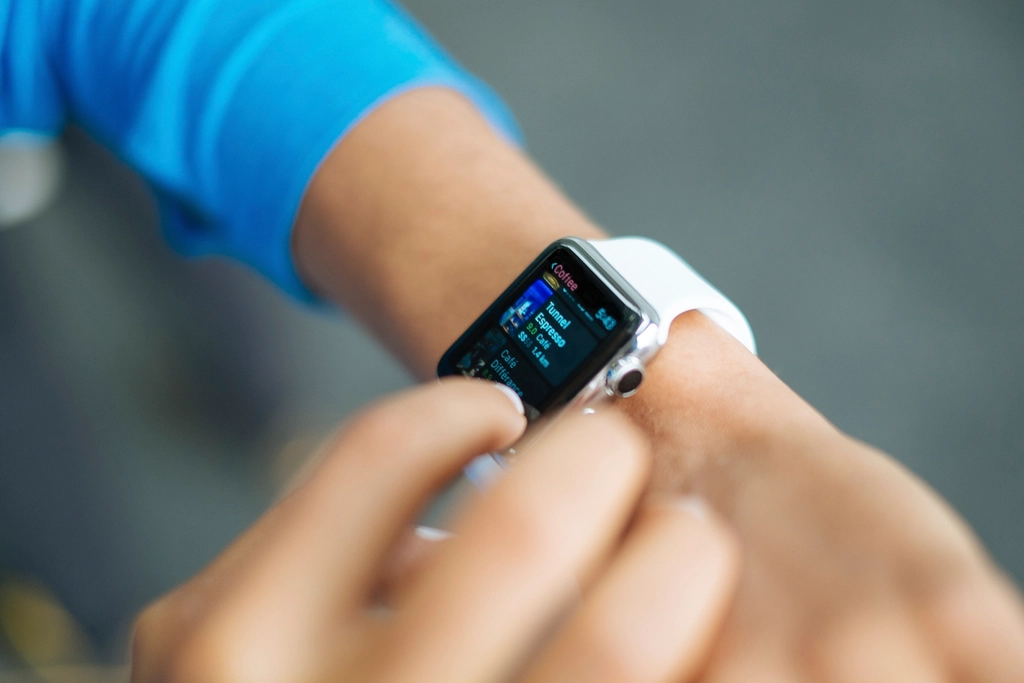
Strip away the marketing language and the change is simple: your watch is paying attention far more often. Previous Apple Watch models checked your heart rate roughly every five minutes when you were not actively working out. Series 12 and Ultra 4 check it every five seconds, continuously, and sample heart rate variability every five minutes instead of once every couple of hours.
HRV checked roughly every 2 hours
HRV checked every 5 minutes
That density of data is what makes the daily Readiness score possible in the first place. It works the same way Whoop and Oura have built their reputations: not on a single flashy reading, but on trends built from thousands of quiet data points collected while you sleep, sit and move around without thinking about it. One MacRumors review even put it in those exact competitive terms this week, framing Apple’s new scoring system as a direct shot at the smart ring category. It is a fair comparison. Apple’s version updates throughout the day rather than once each morning, and it does not require a separate subscription the way some ring-based competitors do.
Apple is not the only company chasing this kind of passive health scoring. Google has been building something similar for the Pixel Watch, and our look at how the Pixel Watch flags insulin resistance from resting heart rate and sleep data runs into the same tradeoff Apple is dealing with here: more passive data makes for a more useful trend, but neither company is willing to call the result a diagnosis.
The early complaint about Readiness is patience. Apple’s own documentation says the score needs at least seven nights of data before it will show anything at all, and several reviewers who have worn the watches since launch day said they still had not seen a score appear after roughly a week of use. If you are buying either watch specifically for this feature, budget more than a week before you can judge it fairly.
What Reviewers Are Praising
- The Health Sensing System is a genuine upgrade, not a marketing refresh. Reviewers who compared side-by-side heart rate logs said the added sampling frequency catches patterns a five-minute check would simply miss.
- Ultra 4’s real-world battery life mostly matched the claim. One reviewer charged the watch to full on a Sunday evening and did not need a charger again until Tuesday evening, roughly 48 hours, including a workout, sleep tracking and time away from an iPhone.
- The ceramic case feels like a genuine finish option, not a gimmick. It is the first time Apple has offered ceramic since 2019, and early hands-on impressions describe it as noticeably smoother and colder to the touch than aluminum or titanium.
- Readiness does not lock anything behind a subscription. Unlike some smart ring competitors, the score is included with the watch and the free Health app.
Where Reviewers Are Pulling Back
- Blood pressure monitoring did not ship, again. Pre-launch reporting, including our own coverage of Ultra 4’s rumored FDA-reviewed blood pressure feature, pointed to this as the headline health addition. It is not in either watch. Apple’s hypertension notifications continue in their existing form, and the company’s own support documentation is explicit that they are not intended to diagnose, treat or manage hypertension.
- The design has not meaningfully changed in three generations. Apple’s own spec page lists a display area about 2 percent smaller than Series 10 and 11, a difference reviewers say is not noticeable in daily use. If you already own a recent Series watch, nothing about the shape or size will feel new.
- Readiness takes real patience to evaluate. A feature that needs a week or more of data before it produces anything useful is a tough sell for anyone judging the watch in a short return window.
- This is not a clear must-upgrade year. More than one reviewer used almost that exact phrase, framing the update as meaningful for health tracking specifically and skippable for everyone else.
Battery Life: The Number That Actually Matters
Apple rates Series 12 at up to 24 hours of typical use, unchanged from last year, and Ultra 4 at up to 50 hours normal use or 45 hours with active GPS workouts running. Real-world testing landed close to that Ultra 4 figure, which is not something that can be said for every battery claim on a spec sheet.
Fifty hours sounds impressive until you put it next to watches built specifically around battery life. If overnight charging is the one habit you are trying to break entirely, our breakdown of smartwatches with the longest battery life in 2026 covers watches that run for weeks rather than days, though none of them run watchOS or match Apple’s health sensor stack.
Should You Upgrade?
- Own a Series 9, 10 or 11? The Health Sensing System is the reason to consider it. If continuous heart rate data does not matter much to you, there is little else here to justify the cost.
- Own an Ultra 2 or Ultra 3? Skip it unless the ceramic-adjacent finish options or the slightly longer battery life genuinely matter to your routine. The sensor upgrade is shared with the much cheaper Series 12.
- Deciding between Series 12 and Ultra 4? Both get identical health sensors. Pay the extra $400 only if you specifically need the longer battery life or titanium durability.
- Coming from Android or a much older Apple Watch? This is a fine entry point. You are not skipping a generation that mattered more than this one.
Frequently Asked Questions
Does Apple Watch Series 12 or Ultra 4 measure blood pressure?
No. Despite pre-launch reporting that pointed to a blood pressure feature, neither watch shipped with one. Apple’s existing hypertension notifications continue in their current form and are explicitly not intended to diagnose or manage hypertension.
What is the real difference between Series 12 and Ultra 4?
Mostly battery life and build. Both watches share the same S11 chip and the same Health Sensing System, so Ultra 4’s extra $400 buys roughly double the battery life, a titanium-only case, and the ruggedness the Ultra line is known for, not extra health features.
How long until the Readiness score actually works?
Apple says it needs at least seven nights of sleep and activity data before it will generate a score, and several reviewers reported still waiting after about a week of daily wear. Treat it as a feature that rewards patience rather than one that works out of the box.
Is the redesigned Health Sensing System available on both watches?
Yes. Series 12 and Ultra 4 use the identical sensor hardware and software, including the every-5-second heart rate checks and every-5-minute HRV readings. There is no health-tracking advantage to paying for the Ultra.
The Bottom Line
Apple Watch Series 12 and Ultra 4 are not the redesign some reporting suggested was coming, but the sensor work underneath the same familiar case is real and reviewers are treating it that way. A heart rate check every five seconds and a Readiness score built from weeks of quiet data are the kind of upgrades that matter more the longer you own the watch, even if they do not photograph well in a keynote slide. The absence of blood pressure monitoring will disappoint anyone who was specifically waiting for it, and the design stayed put for a third straight year. If passive health tracking is what you actually use your watch for, this is a real step forward. If you were hoping for something that looked different on your wrist, next year is still the one to wait for.
