

A luxury smartwatch is a strange purchase. You pay mechanical-watch money for a gadget that has a battery, a chip and a software clock ticking down toward its last update. Plenty of people still buy one, and the reasons are fair: real titanium and sapphire, a design you can wear to a wedding, and in some cases features a $400 watch simply does not have.
So what does the extra money actually buy in 2026? We compared the main luxury options, checked the latest prices we could verify, and sorted out where the premium is justified and where it is mostly a logo. Prices below are launch or list figures and some are reported rather than confirmed, so treat them as a guide and check the brand’s site before ordering.
Quick take
The best luxury smartwatch for most people is the Garmin MARQ Gen 3 if you want real capability (LTE, satellite SOS, 18-day battery rating) or an Apple Watch Hermès if you live on an iPhone and want style first. The Montblanc Summit 3 is the cheapest way into the category at around $1,290. Be careful with TAG Heuer Connected, which is reportedly being wound down.
Luxury Smartwatch Prices at a Glance
| Watch | Starting price (US) | Best for | Works with |
|---|---|---|---|
| Garmin MARQ Gen 3 | $2,500 to $3,100 | Pilots, divers, golfers, serious athletes | iPhone and Android |
| Apple Watch Hermès Series 12 | About $1,399 (reported) | Style-first iPhone owners | iPhone only |
| TAG Heuer Connected Calibre E5 | About $1,600 | Brand fans, golfers | iPhone (Made for iPhone) and Android |
| Montblanc Summit 3 | About $1,290 | Android users who want a dress watch | Android (Wear OS) |
| Louis Vuitton Tambour Horizon Light Up | About $4,110 | Fashion statement above all | iPhone and Android |
Prices are launch or list figures from the brands and launch coverage. The Apple Watch Hermès Series 12 price comes from a single outlet and was not published by Apple at the time we checked. Montblanc and Louis Vuitton figures date from earlier launch coverage.
What Makes a Smartwatch “Luxury”?
There is no official line, but the watches in this price range share a few traits. They use materials like Grade 5 titanium, sapphire crystal and ceramic instead of aluminum and glass. They come from a brand with a watchmaking or fashion name. And they usually offer something the mainstream models do not, whether that is an exclusive strap, a special edition, or hardware like LTE and satellite messaging.
What they do not always have is better health tracking. A $4,000 watch does not read your heart rate any more accurately than a $400 one. You are paying for the case, the badge and the finishing, and for some buyers that is exactly the point.
Garmin MARQ Gen 3: The Luxury Watch With Real Features
Garmin is the one brand where the luxury price comes with a serious feature list. The Garmin MARQ Gen 3 starts at $2,500 and climbs to $3,100 for the Aviator, Commander and Diver editions. It has a 47mm titanium case, sapphire glass, a 1.4-inch AMOLED display, 128GB of storage with worldwide maps, LTE calling and satellite messaging with SOS. Garmin rates the battery at up to 18 days as a smartwatch.
The catch is that LTE and satellite features need an active Garmin plan, and some editions have shipped with waits of 8 to 12 weeks. If you want one watch that looks good at dinner and can still call for help on a mountain, nothing else on this list comes close.
Apple Watch Hermès: Fashion First, iPhone Only
The Hermès versions of the Apple Watch are the same watch you can buy from Apple, with exclusive bands, watch faces and finishes. Series 11 versions started at $1,249, and one outlet puts the Series 12 start at $1,399, rising to $1,449 for the 46mm size. Apple had not published a price for the Series 12 Hermès configurations when we checked, so confirm the number before you buy.
The real value here is the ecosystem. You get the same sensors, apps and software support as any other Apple Watch, with leather bands that look far more expensive than the standard options. The downside is the usual one: it only works with an iPhone, and it needs charging roughly every day or two.
TAG Heuer Connected Calibre E5: Buy With Caution
The Calibre E5 launched in October 2025 at around $1,600. It runs TAG Heuer’s own operating system, has dual-band GPS and golf maps for more than 40,000 courses, and was the first non-Apple smartwatch to earn Apple’s “Made for iPhone” certification. Battery life is reported at about two days.
The trouble is the brand’s future. A French report says production stopped over the summer, and we covered the details in our piece on TAG Heuer ending its Connected smartwatches. TAG Heuer has not confirmed it, but the support length for owners is unknown. Unless you find a steep discount and a written support promise, we would look elsewhere.
Montblanc Summit 3: The Cheapest Way In
The Summit 3 runs Google’s Wear OS and was listed at about $1,290 at launch. That makes it the most affordable name in the group, and Wear OS means you get a familiar app store and Google services. It is a sensible pick for Android owners who want a dressier watch than a Pixel or Galaxy. It does not carry the satellite tricks of the Garmin, and pricing may have moved since launch, so check the current figure.
Louis Vuitton Tambour Horizon Light Up: Pure Fashion
This is the most expensive watch here, listed at about $4,110. The original Tambour Horizon launched in 2017 at $2,450, so the price has risen sharply. You are paying mostly for the design, the brand and the exclusivity. The feature set does not justify the gap over the Garmin or Apple, and that is fine as long as you know what you are buying.
Luxury Smartwatch Pros and Cons
Why people buy one
- ✓ Titanium, sapphire and ceramic materials
- ✓ Designs that suit formal occasions
- ✓ Premium straps and finishing
- ✓ Extras like LTE and satellite SOS on some models
What to watch out for
- ✕ Software support ends long before the case does
- ✕ Little resale value once a newer model arrives
- ~ Health sensors are no better than cheaper models
- ~ Some brands may quietly exit the category
Which One Should You Buy?
If your main goal is durability and not looks, a tougher and cheaper watch makes more sense. Our guide to the best rugged smartwatches covers models that survive abuse without the luxury price.
Frequently Asked Questions
What is the best luxury smartwatch in 2026?
For most people it is the Garmin MARQ Gen 3, thanks to its titanium build, LTE, satellite SOS and long battery rating. iPhone owners who care more about style may prefer the Apple Watch Hermès.
How much does a luxury smartwatch cost?
Expect to pay roughly $1,300 for entry-level options like the Montblanc Summit 3, around $2,500 to $3,100 for the Garmin MARQ Gen 3, and about $4,100 for the Louis Vuitton Tambour Horizon Light Up.
Is a luxury smartwatch worth the money?
Only if you value the materials, design and brand. Health tracking is not meaningfully better than on cheaper watches, and software support runs out well before the case wears out.
Are luxury smartwatches compatible with iPhone and Android?
It depends. The Apple Watch Hermès needs an iPhone, the Montblanc Summit 3 is built for Android with Wear OS, and the Garmin MARQ Gen 3 works with both.
Do luxury smartwatches hold their value?
Generally no. Like other electronics they lose value quickly once a new generation arrives, unlike mechanical watches from major houses.
Final Verdict
The Bottom Line
A luxury smartwatch is a style purchase with a tech product’s short lifespan. Pick the Garmin MARQ Gen 3 if you want the best mix of materials and real capability, the Apple Watch Hermès if you want an iPhone watch with taste, and the Montblanc Summit 3 if you want to spend the least. Whatever you choose, check the current price and the support promise first.
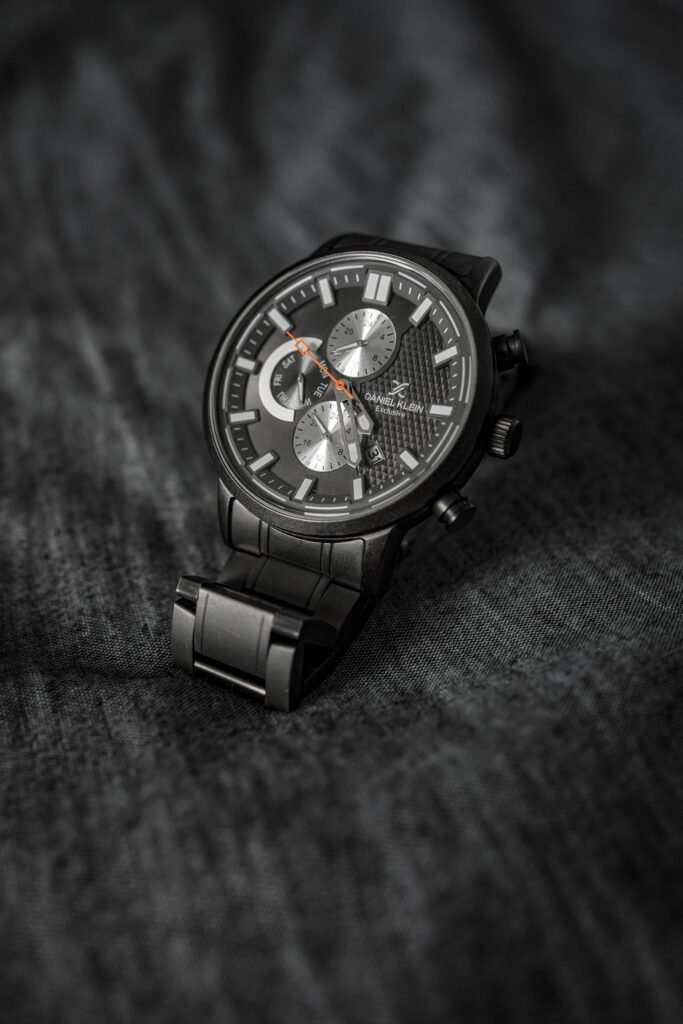
Sources: brand announcements and launch coverage including Android Authority, AppleInsider, Android Headlines and The Mac Observer. Featured image: Pexels. Illustrative stock photo, not a specific smartwatch model.
About this article: GeekBlog covers U.S. technology news, AI, phones, smartwatches and gaming. Every story is written and checked under our Editorial Policy. Spotted a mistake or have a story tip? Contact our editors.
