

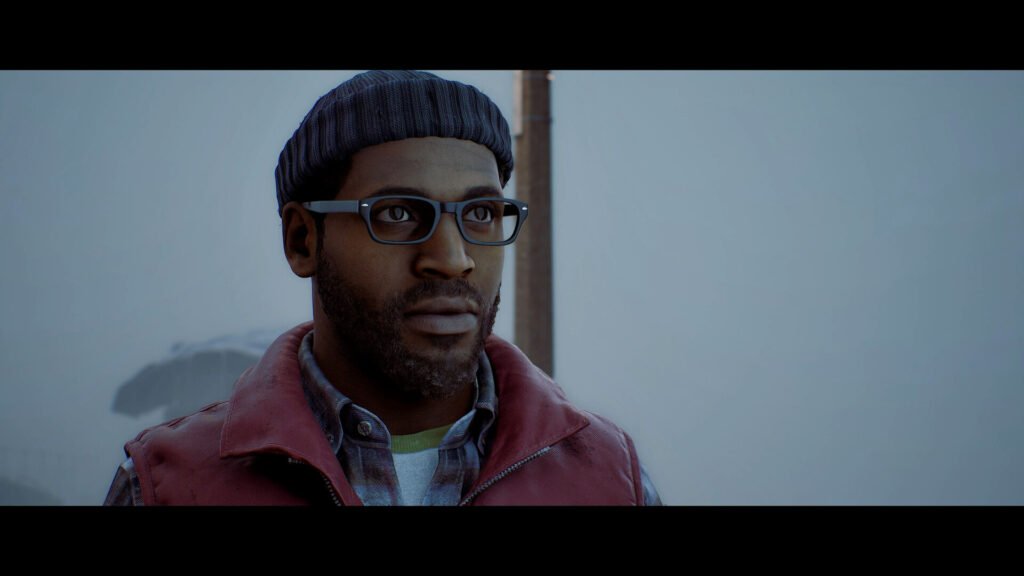
Featured image: Official key art via Steam / Konami Digital Entertainment
Silent Hill: Townfall arrived on PlayStation 5 and PC today, and the review embargo lifted with a score that lands exactly where a cautious fan would have guessed: good, sometimes excellent, and clearly held back from greatness by one specific design decision. Across dozens of outlets, critics keep writing two different reviews inside the same piece. One half praises a survival horror game with the strongest atmosphere and the saddest, most human story the series has told in years. The other half spends several paragraphs venting about a single recurring enemy that refuses to behave the way stalker monsters are supposed to.
That split is unusual enough to be the actual story here. Townfall is not a disaster and it is not a masterpiece either. It is a genuinely strong horror game that critics keep marking down for the same reason, over and over, which makes the aggregate score almost less useful than reading what people actually wrote.
The short version
- What it is: A first-person psychological horror game developed by Screen Burn Interactive (formerly No Code), published by Konami Digital Entertainment and Annapurna Interactive
- Where to play it: PlayStation 5 and PC via Steam or the Epic Games Store, released September 24, 2026. There is no Xbox version
- Price: $49.99 for the Standard Edition, $59.99 for the Deluxe Edition, which adds a digital artbook, a mini soundtrack, and an alternate outfit for protagonist Simon Ordell
- Aggregate scores: 81 on Metacritic for the PS5 version, 80 on PC, and 82 on OpenCritic, with roughly four out of five tracked reviews rated positive
- What critics love: the atmosphere, the sound design, and a story built around grief and guilt rather than jump scares
- What critics keep flagging: a recurring stalker enemy nicknamed “The Weight,” inconsistent stealth detection, and a handful of launch bugs
What Townfall actually is
The setup is deliberately small. Simon Ordell keeps waking up in the water near the docks of St Amelia, a fictional Scottish coastal town with no obvious connection to him, and the game is built around him piecing together why he is there and what he did to end up there. The town itself is reportedly modeled on the real Fife fishing village of St Monans, and the story is set in 1996, which lets Screen Burn Interactive lean on CRT televisions, answering machines, and the kind of pre-internet isolation that made the original Silent Hill games feel so cut off from help.
Mechanically, Townfall keeps the series’ recent first-person format: scavenged weapons that break down fast, a threat-detection tool built around an in-world CRT device rather than a modern radar UI, and a branching story that resolves into five possible endings depending on choices made along the way. None of that is a huge swing from where Silent Hill 2’s remake and Silent Hill f left the formula. What critics are responding to is execution, not reinvention, and on the writing and atmosphere front, most reviewers say Screen Burn Interactive nailed it.
How it actually scored
Numeric scores from major outlets landed in a tight, respectable band. IGN gave it an 8 out of 10, Game Informer went slightly higher at 8.25, and outlets working on a five-point scale mostly settled around 3.5, though Digital Spy came away impressed enough to hand it a perfect score. Nobody in the tracked review pool rated it negative, which is why the aggregates sit in the low eighties rather than scattering all over the chart.
| Outlet or aggregator | Score | Notes |
|---|---|---|
| Metacritic (PS5) | 81 | Based on critic reviews tracked at launch |
| Metacritic (PC) | 80 | Slightly lower, in line with reports of extra technical rough edges |
| OpenCritic | 82 | Roughly four in five tracked reviews rated positive, none negative |
| IGN | 8 / 10 | Praised the story, flagged stealth encounters |
| Game Informer | 8.25 / 10 | Called it a strong entry despite pacing complaints |
| TheGamer / Push Square | 3.5 / 5 | Both singled out the same stalker enemy as the main drag on the score |
| Digital Spy | 5 / 5 | The clear outlier, unreserved praise for the story and setting |
Context matters here. Townfall’s 81 on Metacritic is a solid launch score by any normal standard, but it lands below the two other Silent Hill releases from the past two years: Silent Hill f finished at 86 and last year’s Silent Hill 2 remake settled at 87. Reviewers keep drawing that comparison directly, framing Townfall as a good game that had a genuinely great one within reach, and naming the same obstacle almost every time it fell short.
What critics loved
Strip out the complaints and the praise is remarkably consistent. Reviewers describe the atmosphere as some of the best the series has produced since the PS2 era, crediting sound design that uses silence as effectively as noise and a version of St Amelia that feels lived in rather than built purely to scare. The story lands, too. Rather than leaning on a single twist, Townfall builds its horror around loneliness, trauma, and the slow work of confronting what Simon Ordell actually did, and multiple critics singled it out as the most emotionally grounded writing the franchise has produced in years.
It arrives in the middle of an unusually strong year for the genre. Capcom spent September earning IGN’s first-ever perfect score for the Onimusha series with Way of the Sword, and just a few weeks before that, the studio was busy restoring more than a thousand cut voice lines to Resident Evil 4 and Requiem. Townfall does not quite match Onimusha’s flawless reception, but it is a clear sign that 2026 has been a genuinely excellent year to be a horror fan, regardless of which publisher’s name is on the box.
The Weight problem
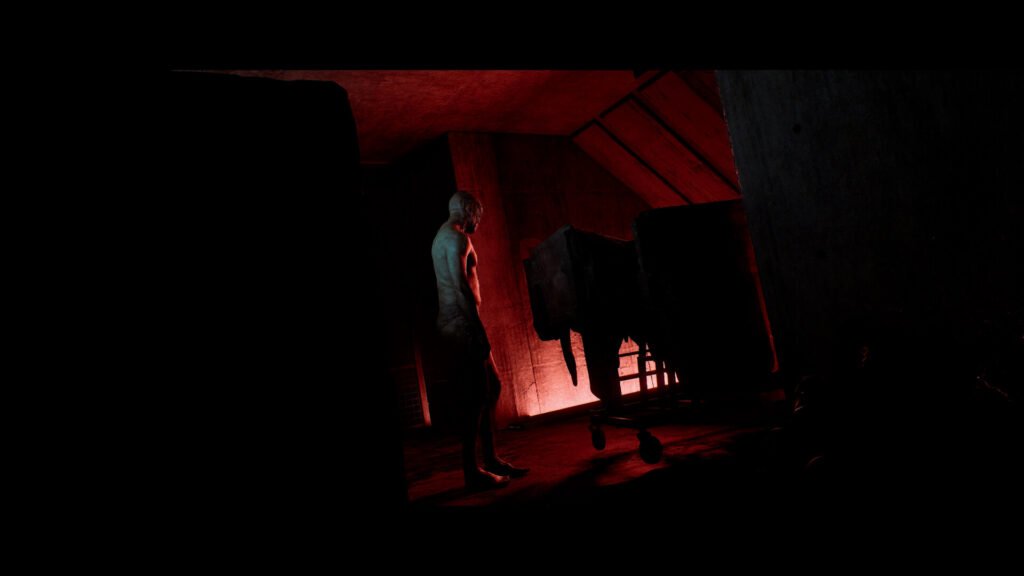
Almost every mixed review points at the same mechanic: stealth sequences built around a recurring, unkillable stalker enemy that critics have taken to calling The Weight. On paper it is Townfall’s answer to Mr. X from the Resident Evil 2 remake, a threat that patrols the areas players need to explore and forces them to route around it rather than fight back. In practice, reviewers describe its behavior as erratic rather than menacing. It sometimes patrols slowly and predictably, and sometimes crosses an entire hallway in a burst of speed with no clear trigger, which several critics said broke the sense of dread the encounter was supposed to build in the first place.
The deeper issue reviewers describe is inconsistency in what actually alerts it. Multiple outlets reported being detected by actions that seemed to make no noise, while other times The Weight would walk directly past without reacting at all. That unpredictability turns tense stealth sections into trial and error, and a few reviewers said specific chapters built around the enemy were the low point of an otherwise strong game.
Known issues at launch
Beyond The Weight’s AI, reviewers reported framerate drops during combat encounters, a black screen during at least one key cutscene, and a bug that made a puzzle temporarily unsolvable until the area was reloaded. None of these were described as universal, and a day-one patch is a realistic possibility, but players sensitive to technical rough edges may want to wait for an update or two before starting a save they care about.
Should you buy it
For horror fans specifically, the answer from most reviewers is a fairly confident yes. Townfall’s atmosphere, writing, and sound design are being described as genre highlights for the year, and a score in the low eighties across every major aggregator is not a game to approach with caution so much as tempered expectations around one specific mechanic. Players who found Resident Evil’s stalker enemies tense in a good way may find The Weight simply frustrating instead, and that is worth knowing before buying either edition.
The bigger practical catch is platform availability. There is no Xbox version at launch, which narrows the audience to PS5 and PC owners only, and Konami has not said whether that will change. At $49.99, the Standard Edition undercuts most full-price 2026 releases by ten dollars, which several reviewers noted felt like a fair reflection of a roughly ten-hour campaign rather than a full-length blockbuster runtime.
It is also worth reading Townfall’s reception next to how differently critics and players sometimes land on the same release. Marvel’s Wolverine shipped this month to Insomniac’s lowest critic score in a decade, while players rated it five stars anyway. Townfall’s gap runs the opposite direction so far: critics are largely aligned on what works and what does not, and the complaints are specific enough that most players will be able to tell in advance whether The Weight is a dealbreaker for them.
Bottom line
Silent Hill: Townfall is a strong horror game with a genuinely moving story, held to a very good score instead of a great one by a single stalker enemy that critics agree needed more testing before launch. It is not the equal of Silent Hill f or the Silent Hill 2 remake, but it is a clear step above a mediocre licensed cash-in, and for a series that spent over a decade mostly dormant, arriving this consistently strong three releases in a row is its own kind of achievement. If Screen Burn Interactive patches out The Weight’s erratic detection, this could easily climb into the same tier as this year’s other horror standouts. As it stands at launch, it is a very good game with one loudly reported flaw that reviewers could not stop mentioning.
About this article: GeekBlog covers U.S. technology news, AI, phones, smartwatches and gaming. Every story is written and checked under our Editorial Policy. Spotted a mistake or have a story tip? Contact our editors.
