

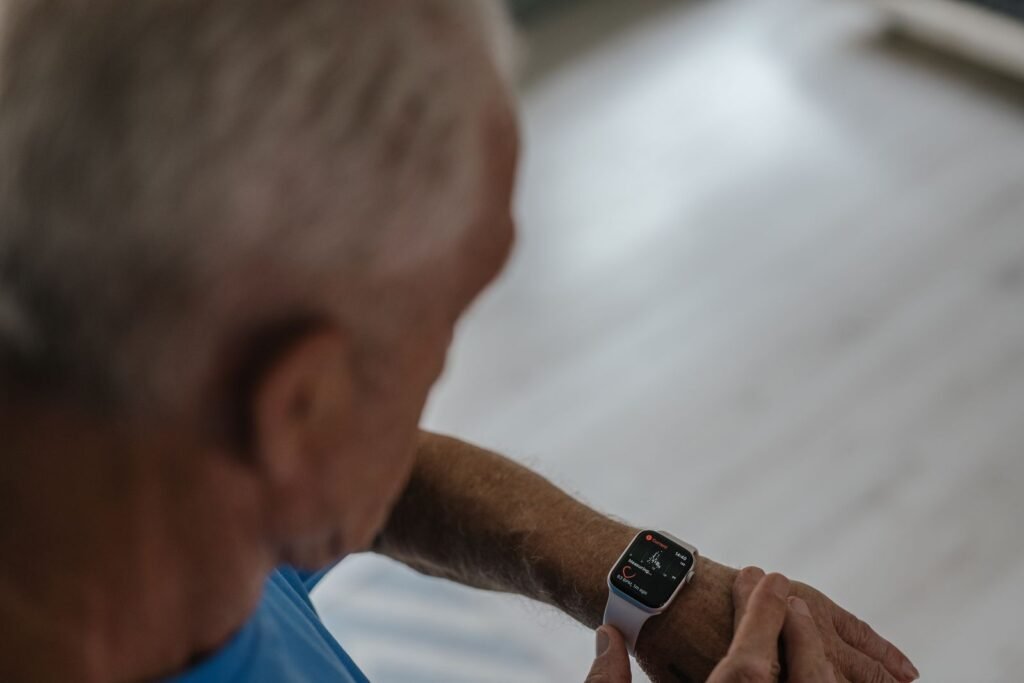
The phone call families dread goes like this: Dad went out for the newspaper an hour ago and is not back. When someone you love has dementia, a wristwatch stops being an accessory and becomes a safety tool. The right one can show you exactly where they are within seconds, tell you the moment they leave the house, and let you talk to them without them needing to do anything.
But a smartwatch for dementia patients is not the same product as a smartwatch for a healthy 70 year old. The features that matter here are tamper resistance, automatic location updates and simple caregiver alerts, not step counts or sleep scores. This guide compares the three most realistic options in 2026, what they really cost over time, and where each one falls short. If you are still weighing general options, our roundup of the best smartwatch for seniors covers everyday use cases beyond dementia care.
Quick answer
For early stage dementia, a cellular Apple Watch SE with Family Setup is the cheapest way to see a loved one’s location, at roughly $10 a month for the plan. For someone who removes or ignores a regular watch, a purpose built device like AngelSense (tamper resistant, about $45 to $65 a month) or the Tranquil GPS Watch (door exit alerts, $945 plus $44.95 a month) is the safer choice. No device stops wandering, they only shorten the search.
Why Wandering Makes a GPS Watch Worth Considering
According to the Alzheimer’s Association, about six in ten people living with dementia will wander at least once, and many do it repeatedly. Most are found close by, with 94% located within a mile and a half of where they went missing. The danger is time: the Association estimates that 46% of missing people with dementia who are not found within 24 hours may be injured or die.
DEMENTIA AND WANDERING
Why a GPS watch matters so much
Average time to locate a missing person (2023 analysis of 312 incidents)
Sources: Alzheimer’s Association; published 2023 incident analysis.
That gap between 24 minutes and more than eight hours is the whole argument for a GPS watch. It is also worth being honest about what the technology cannot do: a tracker does not prevent wandering. It helps caregivers respond faster after someone has left a safe area.
What to Look For in a Smartwatch for Someone With Dementia
- Tamper resistance. A watch that can be taken off is a watch that will be taken off, sometimes within minutes. A locking strap or clasp matters more than screen quality.
- Built in cellular GPS. The device must report location on its own, without a phone nearby. Wi-Fi or Bluetooth only models are not enough.
- Geofence and exit alerts. You want a notification when the wearer leaves home or a safe zone, ideally before they are far away.
- Two way calling. Auto answer lets a caregiver speak to the wearer without them needing to press anything.
- Battery life. A dead watch tracks nothing. Multi day battery is a real advantage over a device that needs charging every night.
- Simple to wear. Fewer buttons, no confusing prompts, and nothing that beeps constantly and gets the watch thrown in a drawer.
Smartwatch for Dementia Patients: The Three Main Options Compared
| Device | Upfront Cost | Monthly Cost | Tamper Resistance | Standout Feature |
|---|---|---|---|---|
| Apple Watch SE (cellular, Family Setup) | About $299 | About $10 plan | None, easily removed | Location sharing, fall detection, calls |
| AngelSense GPS Watch | About $229 | About $45 to $65 | Locking design | Built for wandering, unknown place alerts |
| Tranquil GPS Watch | $945 (or rental) | $44.95, billed annually | Free locking strap | Home exit alert, week long battery |
Approximate US prices from manufacturer and retailer listings in 2026. Plans and promotions change, so confirm before buying.
Apple Watch SE With Family Setup: Cheapest, but Easy to Remove
Apple’s Family Setup lets a caregiver configure a watch for someone who does not own an iPhone, then share that person’s location. For adults 55 and older, automatic fall detection turns on by default when the correct age is entered during setup. The watch needs to be a cellular model, and adding a plan usually costs around $10 a month depending on the carrier.
The catch is obvious for dementia care: there is no lock. If the wearer takes the watch off, the location goes with it. It also needs charging roughly once a day, which is a hard routine for someone whose memory is declining. Continuous geofence alerts usually require a third party app, and those add roughly $25 a month. This option works best in the early stages, when the person is still willing to wear it and mainly wants reassurance.
AngelSense: Purpose Built for Wandering
AngelSense was designed around wandering and autism safety rather than fitness, so it skips the health tracking and focuses on location. Reviewers highlight its locking, tamper resistant design, a two way auto answer speakerphone and alerts when the wearer goes somewhere unfamiliar. Pricing runs about $229 for the hardware, with plans around $65 month to month, $50 on a one year contract, or roughly $540 a year prepaid.
Tranquil GPS Watch: Best for Catching the Front Door
The Tranquil GPS Watch pairs with a small Bluetooth beacon at home and alerts caregivers the moment the wearer leaves the house, which is exactly the moment that matters. It lasts about a week per charge, is waterproof and ships with a locking strap. The cost is the barrier: $945 to buy, plus $44.95 a month, or rental plans from $149 a month.
What It Really Costs Over Three Years
Sticker prices hide the real difference. Ongoing plans add up quickly, and a monthly subscription is the biggest part of the bill for the specialized options.
COST COMPARISON
Three year cost of ownership
Estimates over 36 months from listed prices. The Apple Watch figure excludes optional third party geofencing apps (about $25 a month).
The Apple Watch costs roughly a quarter of the Tranquil over three years, but that saving only exists if the wearer keeps it on. A cheaper device that sits in a drawer costs more than nothing at all. For a wider look at what ongoing plans cost, see our breakdown of medical alert watch costs for seniors.
Mainstream Smartwatch
Apple Watch SE with Family Setup
- ✓ Lowest total cost
- ✓ Fall detection and calling built in
- ✕ Can be taken off at any time
- ~ Needs daily charging
Dedicated Dementia Tracker
AngelSense, Tranquil
- ✓ Locking, tamper resistant design
- ✓ Exit and unknown place alerts
- ✕ Higher monthly and upfront cost
- ✕ No everyday smartwatch extras
Which One Fits Which Stage of Dementia
Early stage. The person is aware they have a watch and mostly happy to wear it. A cellular Apple Watch is affordable and doubles as a fall detector. If falls are also a worry, read how smartwatch fall detection for seniors actually works before relying on it.
Middle stage. Confusion grows and the watch may be removed or forgotten. This is where a locking device like AngelSense earns its monthly fee.
Late stage. Wandering risk may be highest and cooperation lowest. A watch with home exit alerts, such as the Tranquil, is aimed at exactly this situation, ideally combined with door alarms.
Read this before you rely on any tracker
GPS accuracy drops indoors, in dense buildings and in areas with weak cell coverage. A watch also cannot help if the battery dies or it is removed. Use it as one layer alongside door alarms, a medical ID bracelet, neighbors who know the situation and a plan for who calls 911 first. If someone is missing, call emergency services immediately and do not wait to check the app.
Setting Up a GPS Watch So It Actually Gets Worn
- Introduce it early and calmly. Present it as a normal watch, not a monitoring device. Some families start by having the person wear it for short periods.
- Set safe zones carefully. A geofence around the home, a neighbor’s house and a regular walking route prevents a flood of false alerts.
- Test it before you need it. Take the watch on a short trip and check that location updates arrive quickly.
- Build a charging routine. Pair charging with something fixed, such as bedtime, and keep a spare charger in the same place.
- Talk about privacy. When the person can still understand, explain what the watch does. It respects their dignity and reduces resistance later.
- Add the phone numbers. Save several caregiver contacts so a call does not depend on one person answering.
Frequently Asked Questions
Can a regular smartwatch track someone with dementia?
Yes, if it is a cellular model. An Apple Watch with Family Setup can share location with a caregiver and does not need the wearer to own an iPhone. The limitation is that it can be removed easily, and the wearer must keep it charged.
What is the best GPS watch for someone who keeps taking it off?
A device with a locking strap or clasp, such as AngelSense or the Tranquil GPS Watch, is the better fit. Both are designed to be hard to remove without a key or caregiver help.
Do these watches send an alert when the person leaves home?
The Tranquil GPS Watch is built around a home beacon that alerts caregivers when the wearer exits the house. Other devices, including Apple Watch, rely on geofences that trigger once the wearer has already moved outside a set area, so the alert can come a little later.
How much does a dementia GPS watch cost per month?
Expect roughly $10 for a cellular Apple Watch plan, about $45 to $65 for AngelSense and $44.95 for Tranquil, plus the hardware price. Third party geofencing apps for Apple Watch can add about $25 a month.
Does a GPS tracker stop someone from wandering?
No. It only helps you find the person faster. Door alarms, supervision and a safe home layout are what reduce the chance of wandering in the first place.
Final Verdict
The Bottom Line
If your loved one will happily wear a watch, a cellular Apple Watch SE is the affordable place to start. Once they remove it or wandering becomes a pattern, move to a locking tracker: AngelSense for a balance of cost and features, or the Tranquil GPS Watch if the front door alert is the top priority. Whatever you choose, pair it with door alarms and a clear emergency plan.
Sources: Alzheimer’s Association, Wandering; SafeWise, GPS trackers for dementia; Caring Village. Prices are approximate and were checked in September 2026.
Featured image: SHVETS production on Pexels. Additional photo: Kampus Production on Pexels.
