

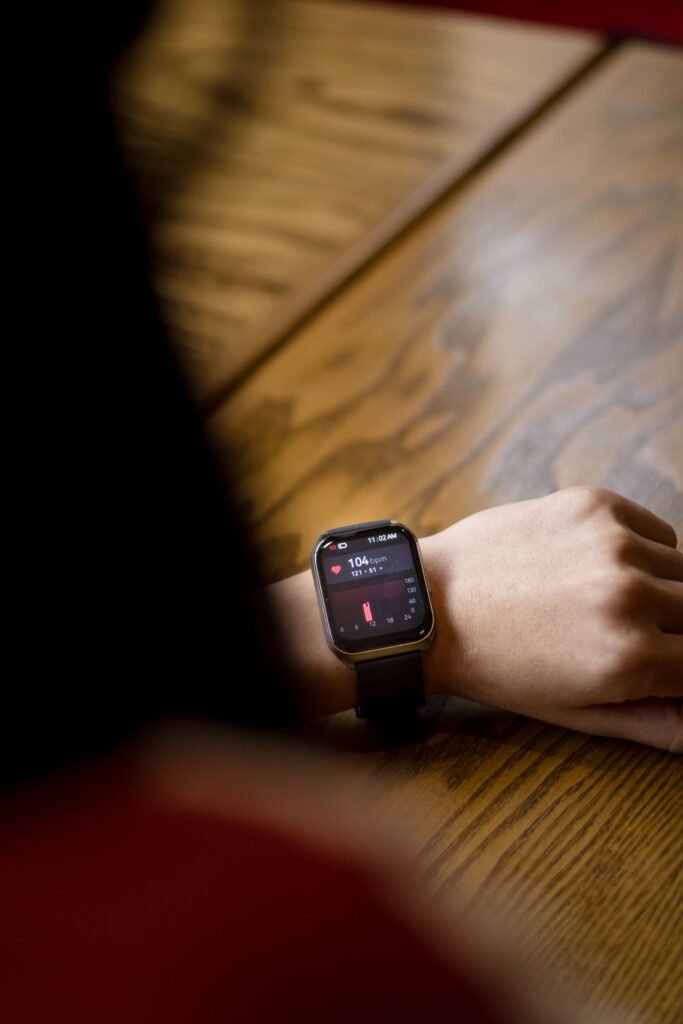
Your watch says 94%. Is that fine, or is it time to worry? Blood oxygen (SpO2) has become one of the most tempting numbers on a smartwatch, and also one of the most misunderstood. It looks precise, it updates on its own, and it sits right next to your heart rate. But how close is it to what a hospital device would show?
This guide to smartwatch blood oxygen accuracy covers what the independent research found, why readings drift, what changed for Apple Watch owners in the US, and how to use the number without getting fooled by it.
Quick answer
Smartwatch SpO2 is a wellness estimate, not a medical measurement. In one clinical comparison, the best watch was off by about 2 percentage points on average and the worst by nearly 6. Use it to spot trends and unusual dips, and confirm any worrying reading with a fingertip pulse oximeter or a doctor.
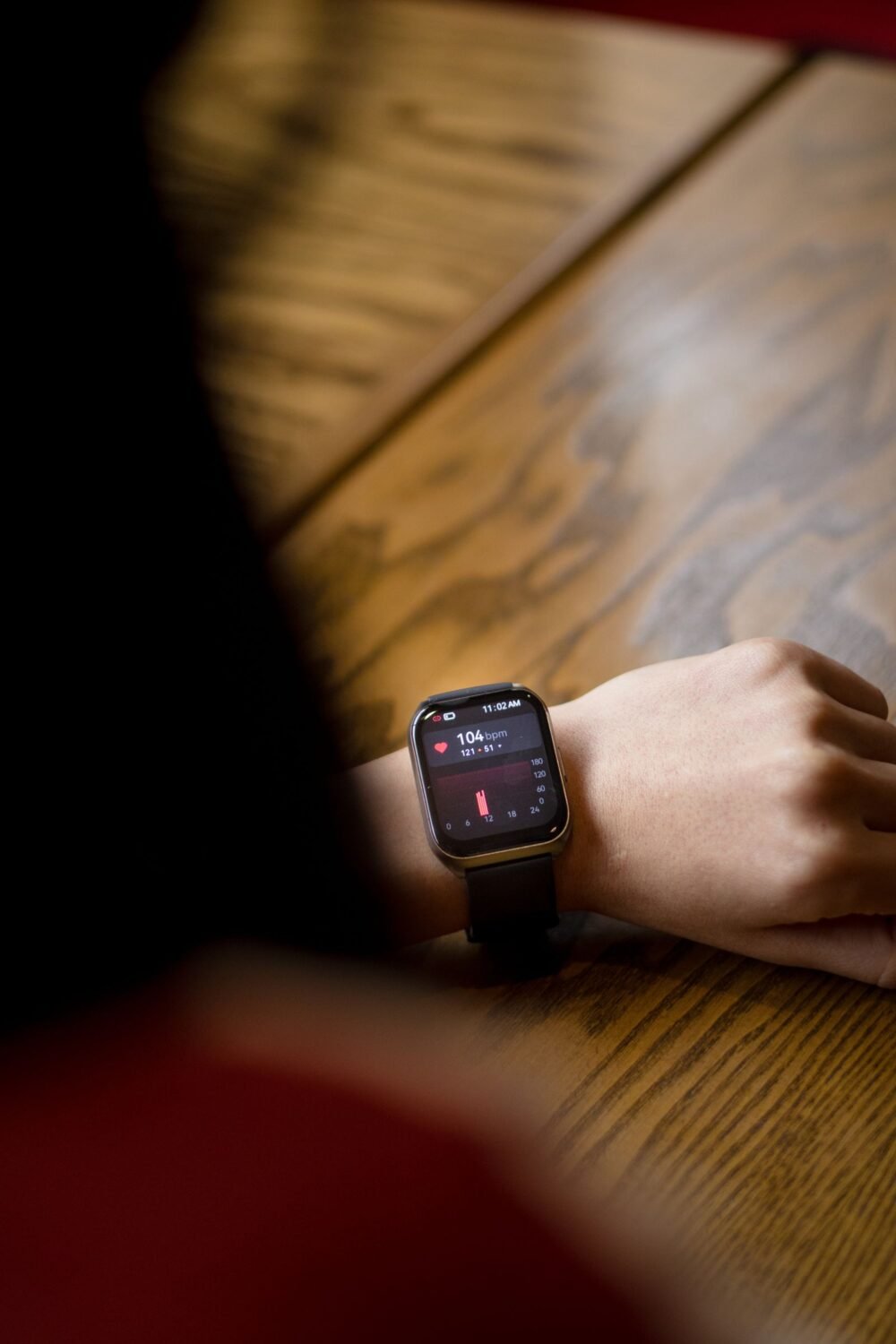
How a Smartwatch Measures Blood Oxygen
A smartwatch shines red and infrared light into the skin on your wrist and measures how much comes back. Blood that carries more oxygen absorbs light differently from blood that carries less, and the watch turns that difference into a percentage. A fingertip clinic device works on the same principle, which is why both are called pulse oximeters.
The difference is where and how the light is measured. A fingertip clip passes light through the finger from one side to the other. A watch reads light that bounces back from the wrist, where bones, tendons and a loose strap add noise. That is the main reason wrist readings are less reliable.
Good to know
SpO2 is not the same as heart rate. Heart rate is easy to read from the pulse. Oxygen saturation needs a clean signal at two wavelengths, and it breaks down quickly when you move.
What the Research Says About Accuracy
The most useful independent test we found is a 2023 study in PLOS Digital Health. Researchers at Duke compared consumer smartwatches with a clinical pulse oximeter in 49 people, most of them with lung disease, while at rest. The Apple Watch Series 7 came closest to the reference device, with a mean absolute error of 2.2 percentage points. The Garmin Venu 2S was furthest off at 5.8. The authors also noted that accuracy and the number of failed readings varied a lot from one device to another.
Two cautions. The study tested watches from a few years ago, and sensors and software have changed since then. It also had a small group of mostly unwell participants, so the numbers will not match every healthy wearer. Treat them as a sense of scale, not a ranking you should buy by.
Why Your Reading Can Be Wrong
Most bad readings come from the situation, not a broken watch. These are the usual culprits.
| Cause | What happens | What to do |
|---|---|---|
| Movement | Motion corrupts the light signal, so the watch skips or guesses | Sit still with your arm resting on a table |
| Loose fit | Outside light leaks in and the sensor loses contact | Snug, not tight, a finger width above the wrist bone |
| Cold hands | Poor circulation weakens the pulse signal | Warm your hands and wrist first |
| Tattoos and dark ink | Ink absorbs the light the sensor relies on | Try the other wrist |
| Skin pigmentation | Clinical oximeters can overestimate oxygen on darker skin, and watch data is thinner | Lean on trends and confirm odd values with a clinical device |
| Altitude | Real blood oxygen is lower in thin air, which is normal | Compare against your own readings at that elevation |
What about skin tone?
The FDA warned in 2021 that pulse oximeters can be less accurate in people with darker skin, and it has since proposed draft guidance asking manufacturers to test with a diverse group of 150 or more participants. That guidance covers medical devices. It does not apply to products sold as general wellness features, which is how most smartwatch SpO2 is positioned. The Duke study found no statistically significant effect of skin tone on error, but with only 49 people that is far from the last word, and many smartwatch validation studies include few participants with the darkest skin tones.
What Is a Normal SpO2 Reading?
A reading of 95% to 100% is generally considered normal for healthy people at rest. NHS pulse oximeter guidance, written during the COVID era, treats 93% to 94% as a reason to recheck and seek advice if it stays there, and 92% or below as a reason to get urgent help. People with lung conditions such as COPD may have different targets set by their doctor. Check current guidance from your own health service, and remember that symptoms matter more than any number.
Apple Watch Blood Oxygen in the US
US shoppers have had a confusing few years. Apple removed blood oxygen from new Apple Watches sold in the US because of a patent dispute with Masimo. On August 14, 2025, Apple brought it back through iOS 18.6.1 and watchOS 11.6.1 with a redesigned approach. The watch still collects the sensor data, but the paired iPhone does the calculation and shows the result in the Health app. At launch it covered the Series 9, Series 10 and Ultra 2, and it did not change watches bought outside the US.
The legal fight did not end there. Masimo sued US Customs over the workaround, so the situation could shift again. Check Apple’s support page for your exact model before you buy for this feature.
Smartwatch Versus Fingertip Pulse Oximeter
| Feature | Smartwatch SpO2 | Fingertip oximeter |
|---|---|---|
| Measurement site | Wrist, reflected light | Finger, light passes through |
| Best at | Trends, overnight dips, convenience | Spot checks when you feel unwell |
| Weak point | Motion, fit, failed readings | Cold fingers, nail polish, cheap units |
| Regulatory status | Usually a wellness feature | Cleared medical devices are available |
How to Get the Best Reading From Your Watch
- Stay still. Rest your arm on a table with the watch face up, and do not talk or move for the whole measurement.
- Fix the fit. Wear the watch snug and clear of the wrist bone. Our guide to the best smartwatch for health monitoring compares sensor quality across popular models.
- Warm up first. Cold hands are a leading cause of low or failed readings.
- Repeat it. Take two or three readings a minute apart and look at the pattern, not one value.
- Watch the trend. A repeated overnight dip matters more than a single odd number. If dips keep appearing, read our piece on a smartwatch for sleep apnea and talk to a doctor.
- Confirm before you act. If a number alarms you, check it with a fingertip oximeter. For another health metric people ask about, see how reliable smartwatch blood pressure monitoring is.
Frequently Asked Questions
How accurate is blood oxygen on a smartwatch?
In one clinical comparison, average error against a medical oximeter ranged from about 2.2 points for the best watch to 5.8 for the worst. Accuracy depends heavily on the model, the fit and whether you stay still.
Is smartwatch SpO2 good enough to diagnose a problem?
No. It is a wellness estimate. It can flag something worth checking, but diagnosis needs a clinical device and a clinician.
What blood oxygen level is normal?
For healthy adults at rest, 95% to 100% is generally considered normal. People with lung disease may have different targets from their doctor.
Does skin tone affect smartwatch blood oxygen readings?
Clinical pulse oximeters can overestimate oxygen levels on darker skin, according to the FDA. Evidence for smartwatches is thinner, so confirm unusual readings with a clinical device.
Does Apple Watch still measure blood oxygen in the US?
Yes on supported models. Since August 2025 the feature runs through a redesigned system where the iPhone processes the data, though the legal dispute with Masimo is ongoing.
Final Verdict
The Bottom Line
Smartwatch blood oxygen is useful for noticing patterns, and unreliable as a single verdict. Stay still, get a snug fit, repeat the test, and verify any worrying number with a fingertip oximeter or a doctor.
This article is for general information and is not medical advice. If you have trouble breathing, chest pain, confusion or blue lips, seek emergency care immediately.
Sources and Further Reading
- PLOS Digital Health: Investigating the accuracy of blood oxygen saturation measurements in common consumer smartwatches
- MacRumors: Blood oxygen feature returning to Apple Watch in the US
- Fierce Biotech: FDA draft guidance on pulse oximeter accuracy across skin tones
- NHS England: Pulse oximeter guidance
Featured image: Pexels.
About this article: GeekBlog covers U.S. technology news, AI, phones, smartwatches and gaming. Every story is written and checked under our Editorial Policy. Spotted a mistake or have a story tip? Contact our editors.
