

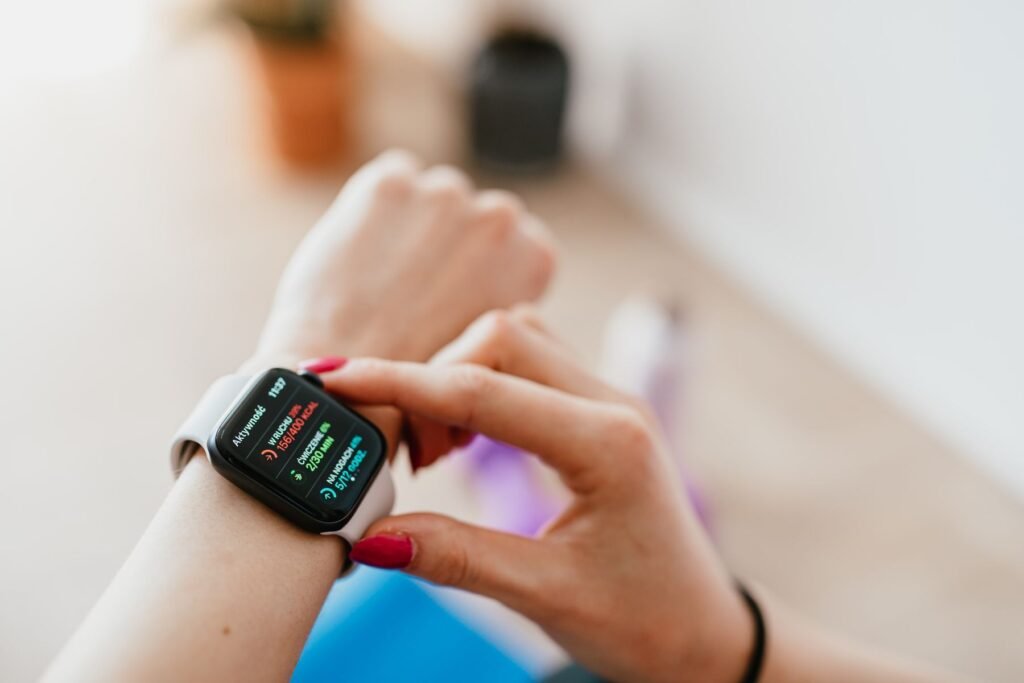
Tracking fertility used to mean a thermometer on the nightstand and a notebook you had to remember to fill in. Now a watch on your wrist records skin temperature all night, and a few of them can turn that into an ovulation estimate by morning. That sounds almost too easy, so it is worth knowing exactly what the technology does, and what it does not.
This guide to the best smartwatch for fertility tracking in 2026 covers how wrist temperature works, how accurate the best-studied option is, and how Apple, Garmin, Samsung and Google compare. Features change with software updates, so check each manufacturer’s page for your exact model before you buy.
Quick answer
For iPhone users, an Apple Watch Series 8 or newer (or any Ultra, or the SE 3) is the most polished choice, and it works with the FDA-cleared Natural Cycles app. If you prefer Android or want multi-day battery life, select Garmin watches such as the Forerunner 970, Venu 4 and fenix 8 now sync temperature to Natural Cycles too. A smartwatch gives you an estimate, not a hormone test.
How a Smartwatch Tracks Fertility
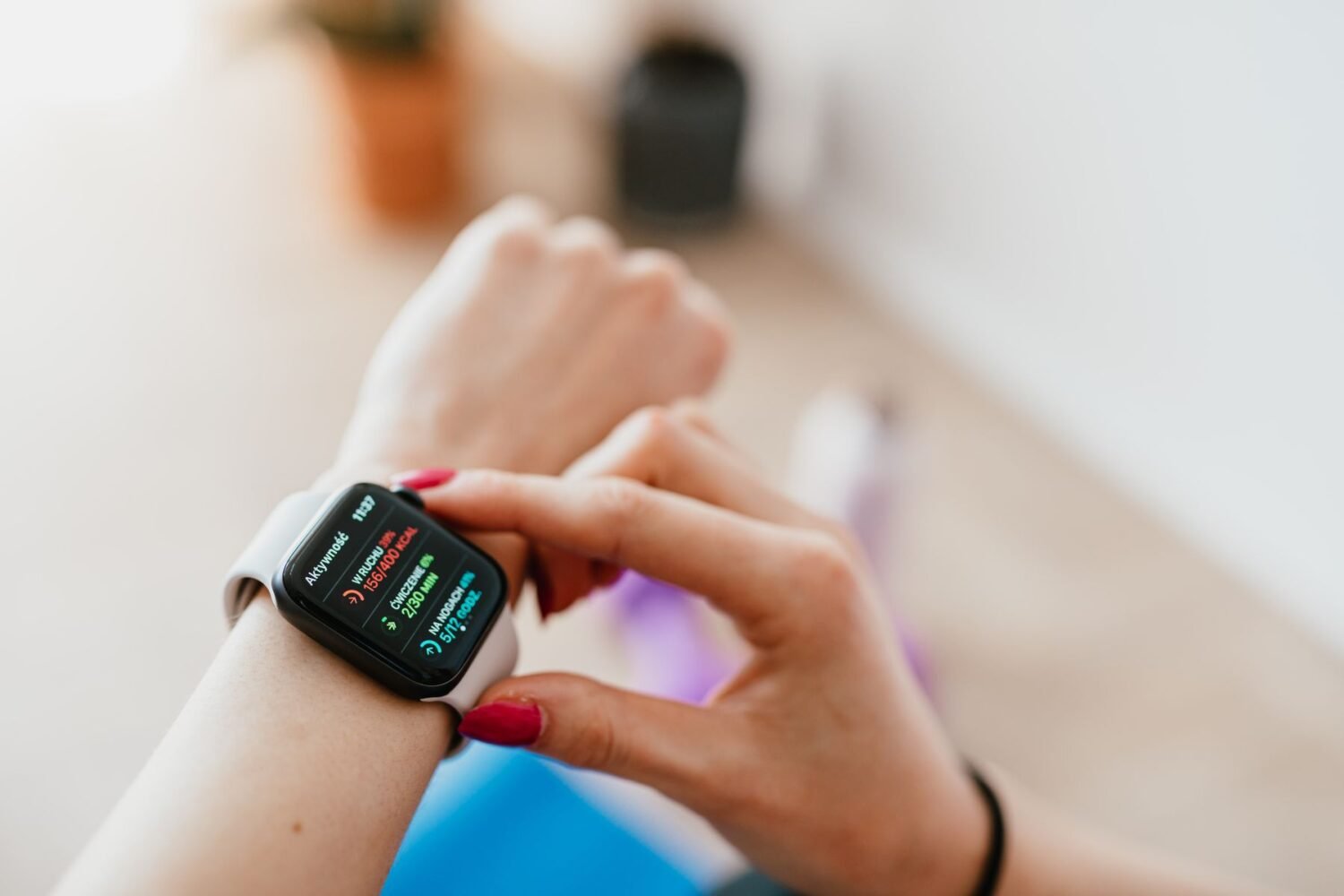
Your body temperature rises slightly after ovulation and stays higher until your next period. A watch worn to bed measures skin temperature at the wrist, compares it with your own baseline, and looks for that small shift. Because the rise only shows up after ovulation has happened, wrist temperature is good at confirming that ovulation occurred and less good at warning you ahead of time.
That is the key limit to keep in mind. Apple, for example, describes its feature as retrospective ovulation estimates, and it also uses the data to improve period predictions. It is not a countdown to your fertile window.
Good to know
Wrist temperature varies from night to night with alcohol, illness, room temperature and late bedtimes. Apple itself notes that body temperature naturally fluctuates. A few odd nights are normal, and the pattern over several cycles is what counts.
How Accurate Is Wrist Temperature Ovulation Tracking?
The best public numbers we found are for Apple Watch. A study posted on the JMIR preprint server tested two algorithms that estimate ovulation from wrist temperature. The first returned an estimate in 80.5% of ongoing cycles, with an average error of 1.59 days. The second, applied to completed cycles, had an average error of 1.22 days, and 89.0% of its estimates landed within two days of the true ovulation day. Treat these as encouraging but early, because the study is a preprint and has not been peer reviewed.
Best Smartwatches for Fertility Tracking Compared
| Watch | Temperature use | Natural Cycles | Works with | Best for |
|---|---|---|---|---|
| Apple Watch Series 8 and newer, Ultra, SE 3 | Retrospective ovulation estimates | Yes, FDA-cleared use in the US | iPhone only | Easiest setup and best-studied data |
| Garmin Forerunner 970 and 570, Venu 4 and X1, fenix 8 | Overnight skin temperature | Yes, since March 2026 | iPhone and Android | Battery life and sport tracking |
| Samsung Galaxy Watch | Overnight skin temperature for cycle predictions | Announced in 2023 for Watch5, check current status | Android, best with Samsung | Android users who want period prediction |
| Pixel Watch and Fitbit | Calendar-based predictions, not temperature | No | Android | Basic period logging |
Apple Watch: the most complete fertility option
Apple Watch Series 8 and later, every Ultra model and the SE 3 have the temperature sensor. The SE and SE 2 do not. To get ovulation estimates you set up Cycle Tracking with fertility predictions turned on, and you need to enable Sleep Focus and wear the watch to bed for at least four hours a night, for five nights, before it builds a temperature baseline. Apple says estimates generally arrive after about two cycles. When one is ready you get a notification, and the fertile window shows in the Cycle Tracking calendar as a light purple oval.
Natural Cycles states that its app is FDA-cleared for use with Apple Watch in the US, which makes this the strongest fit if you are using a watch for contraception or trying to conceive. That claim comes from the company itself, so read the app’s current labeling. The trade-off is that Apple Watch needs an iPhone and daily charging, which can make nightly wear harder. If sleep tracking is your priority, our guide to the best smartwatch for sleep tracking covers the battery side.
Garmin: now a real contender
Garmin announced a Natural Cycles integration on March 31, 2026. Its release names the fenix 8, Forerunner 570, Forerunner 970, Venu 4 and Venu X1. Android Authority reports a longer list that also includes Enduro 3, tactix 8 and the Venu 3 family, but that is not in Garmin’s own announcement, so confirm your model on Garmin’s compatibility page. You wear the watch to bed, skin temperature syncs to the Natural Cycles app in the morning, and you need app version 5.7.0 or higher.
The big advantage is battery life and platform choice. It works with iPhone and Android, and a multi-day battery means you rarely need to charge at night. Garmin notes that its watches are consumer wellness devices and not medical devices. The regulated part is the Natural Cycles app, which the company describes as an FDA Class II medical device for preventing and planning pregnancy.
Samsung Galaxy Watch: good for periods, check the rest
Samsung Health uses overnight skin temperature to refine cycle predictions, and Samsung announced a Natural Cycles partnership for the Galaxy Watch5 series in 2023. We could not find 2026 information confirming that the feature is still offered on newer Galaxy models or in the US, so verify that before choosing it for fertility. For general period tracking it remains a solid Android option.
Pixel Watch and Fitbit: logging, not temperature
Google added period logging to the Pixel Watch 3 in 2025, and the Fitbit app has a calendar-based menstrual health tool that predicts periods, fertile windows and ovulation days from past entries. Fitbit hardware has temperature sensors, but we found no current source confirming that they feed ovulation estimates. That makes these watches fine for simple logging and weaker for temperature-based fertility insight.
What About the Natural Cycles Band and Rings?
If you only want fertility data, a smartwatch is not your only option. Natural Cycles sells its own overnight band, which has been priced at $129.99 and is included with its $149.99 annual subscription, according to recent coverage. The Oura Ring is also listed as compatible. Rings and bands are lighter than a watch, and many people find them easier to sleep in. The compromise is that you lose the screen, GPS and notifications you get from a smartwatch.
How to Choose the Right One
- Match your phone. Apple Watch requires an iPhone. Garmin works with both iPhone and Android.
- Be clear about your goal. Learning your cycle is easy with any of these. Using a watch to prevent or plan pregnancy calls for an app with regulatory clearance, such as Natural Cycles, and a careful read of its instructions.
- Prioritize night comfort. A watch you take off at bedtime records nothing. A slim case and soft band beat extra features. Our list of the best smartwatches for women includes smaller, lighter options.
- Check battery life. Daily charging often happens at night, which is exactly when you need the watch on your wrist.
- Give it time. Expect to wear it for at least two full cycles before judging the results.
If you are tracking for a related reason, such as pregnancy, see our guide to the smartwatch for pregnancy for what changes once you get a positive test.
Frequently Asked Questions
What is the best smartwatch for fertility tracking?
For iPhone users, Apple Watch Series 8 or newer is the best all-round choice. For battery life and Android support, select Garmin models with Natural Cycles integration are the best alternative.
Can a smartwatch tell me when I ovulate?
It can estimate it. Wrist temperature rises after ovulation, so most watches confirm ovulation after it happens, with an average error of about one to two days in the best-studied case.
Does Apple Watch have fertility tracking?
Yes. Series 8 and later, all Ultra models and the SE 3 offer retrospective ovulation estimates and improved period predictions using wrist temperature. The original SE and SE 2 lack the sensor.
Can I use a smartwatch as birth control?
Only through an app that is cleared for that purpose, and only if you follow its instructions. A watch alone is not birth control. Natural Cycles reports 98% effectiveness with perfect use and 93% with typical use, which means typical use still carries a real chance of pregnancy.
Is a smart ring better than a smartwatch for fertility?
Rings and bands are often more comfortable at night, but they lack a screen and other features. Both rely on the same temperature principle, so choose the one you will wear every night.
Final Verdict
The Bottom Line
Apple Watch is the simplest and best-studied pick for iPhone owners, and select Garmin watches are the strongest alternative with longer battery life and Android support. Whichever you choose, wear it every night for a few cycles and treat the output as a well-informed estimate.
This article is for general information and is not medical advice. Talk to your doctor or a qualified clinician about fertility, contraception and pregnancy planning.
Sources and Further Reading
- Apple Support: Receive retrospective ovulation estimates on Apple Watch
- JMIR preprint: Ovulation estimation from wrist temperature
- Garmin: Natural Cycles integration for select Garmin smartwatches
- Android Authority: Garmin and Natural Cycles integration
- Natural Cycles: Integration with Apple Watch
- Samsung Newsroom: Natural Cycles on Galaxy Watch5
- Android Authority: Pixel Watch 3 menstrual health
Featured image: Pexels.
About this article: GeekBlog covers U.S. technology news, AI, phones, smartwatches and gaming. Every story is written and checked under our Editorial Policy. Spotted a mistake or have a story tip? Contact our editors.
