
Browsing: Health
Where medicine and technology meet, covering devices, records, research findings and the claims that deserve a much closer look before you act.
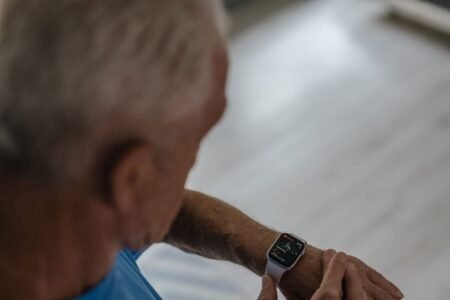
A medical alert watch for seniors can cost nothing a month or up to $50. Here is exactly what the free smartwatch options and the monitored plans each buy you in 2026.
95% of smartwatch bands tested positive for bacteria that can cause infection. Here is exactly how to clean silicone, leather, and metal bands, plus the case and screen, without damaging them.
Fall detection can call for help when a senior can’t. See how the sensors actually work, which smartwatches handle it best, and when a monitored medical alert watch is the safer choice.
Apple, Samsung, Garmin, and Withings all promise serious health tracking in 2026. Here is what each smartwatch actually monitors, what is FDA cleared, and which one fits the health data you actually care about.
OpenAI connected ChatGPT for Healthcare to Epic’s 325 million patient records on September 1, 2026. Access is read only, but privacy lawyers warn HIPAA protection does not travel with data patients share directly with the chatbot.
Apple, Samsung, and Omron all promise blood pressure tracking in 2026. Here is what each smartwatch actually measures, what is just an estimate, and what the FDA now says about the whole category.
Surgeons at UCLH removed a pituitary tumour with an AI reading the live endoscope feed and color-coding the structures that must not be touched. The interesting part is not that AI was in the room. It is what it was looking at.
Researchers at Southern Illinois University engineered yeast to turn PET bottles and corn stalks into a protein rich, vanilla scented cookie called µBites. It smells good, it was funded by NASA, and no human has been cleared to taste one.
Wrist sensors are least reliable during hard exercise and most reliable when you are sitting still, which makes resting heart rate the one figure your tracker is genuinely good at. A Harvard physician explains what the number actually indicates.
A new NeuroImage study scanned 56 people while they watched short videos. When a clip landed, two of the brain’s cognitive control hubs went quiet. Here is exactly what that shows, and the four things it does not.